|
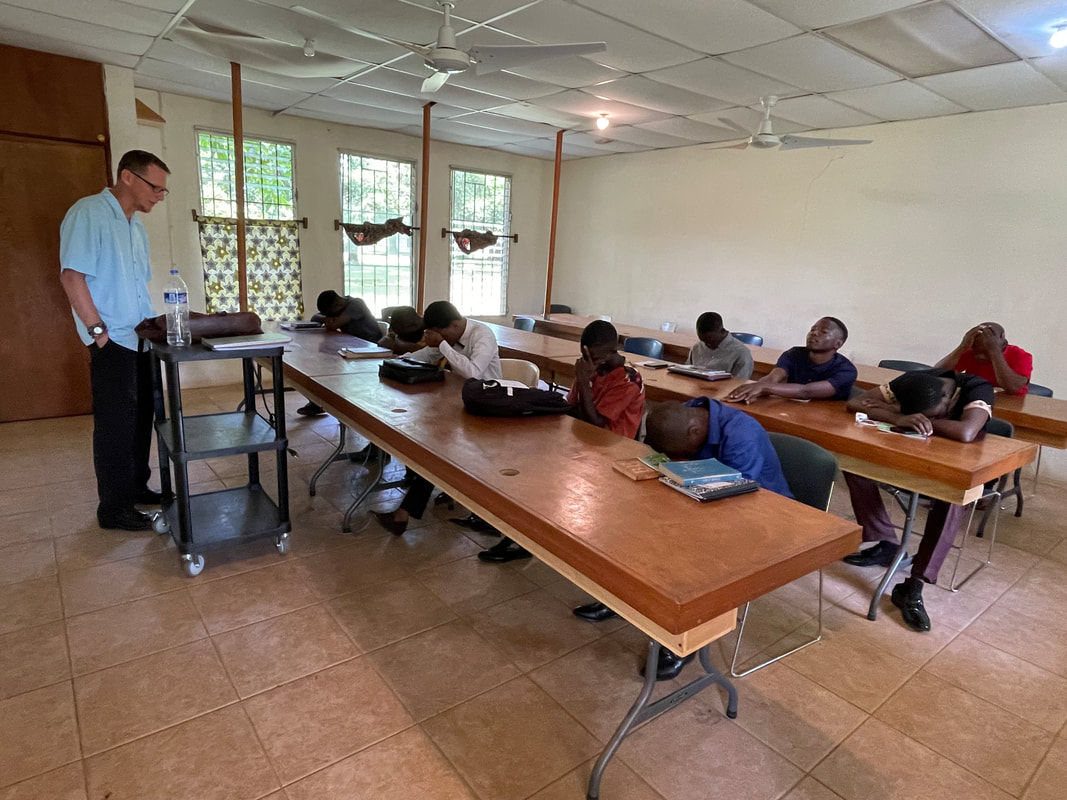
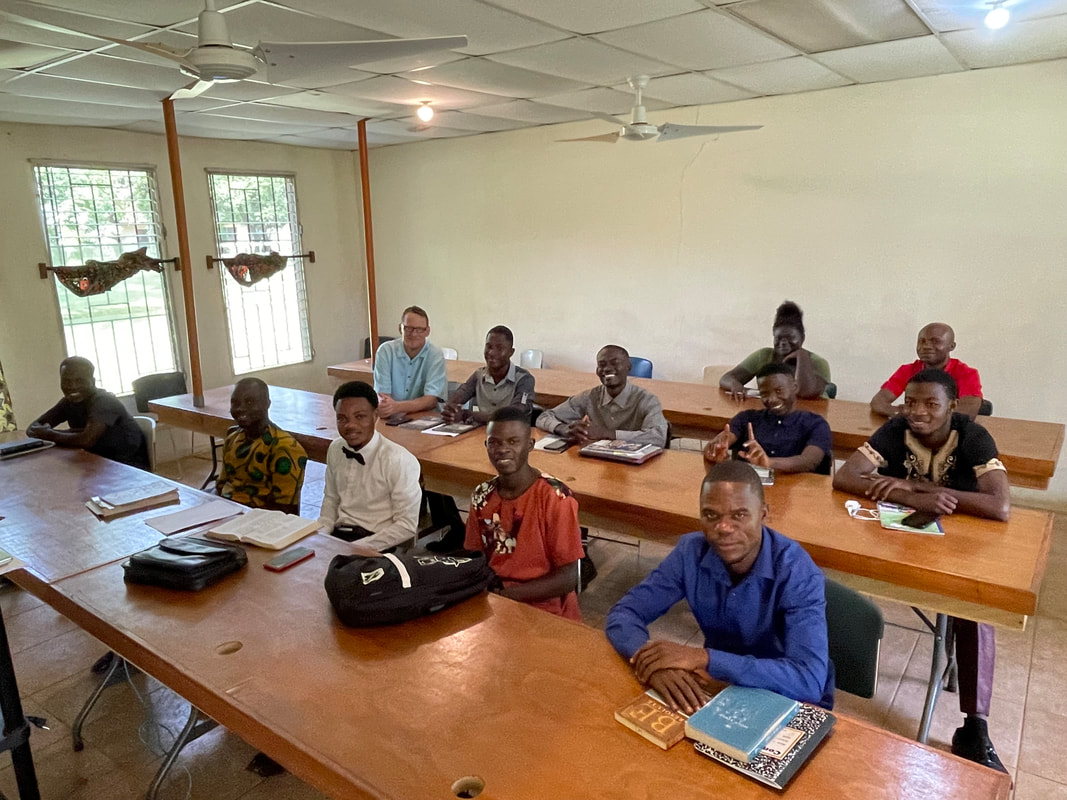
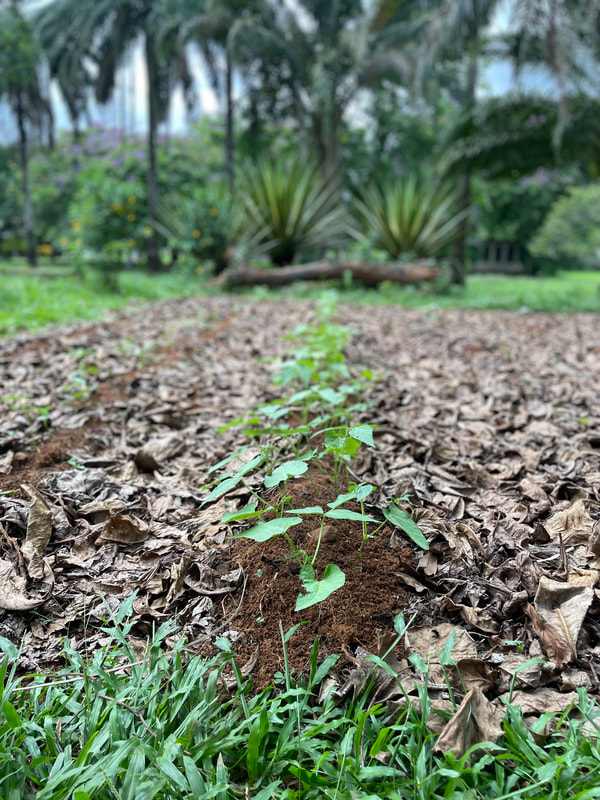
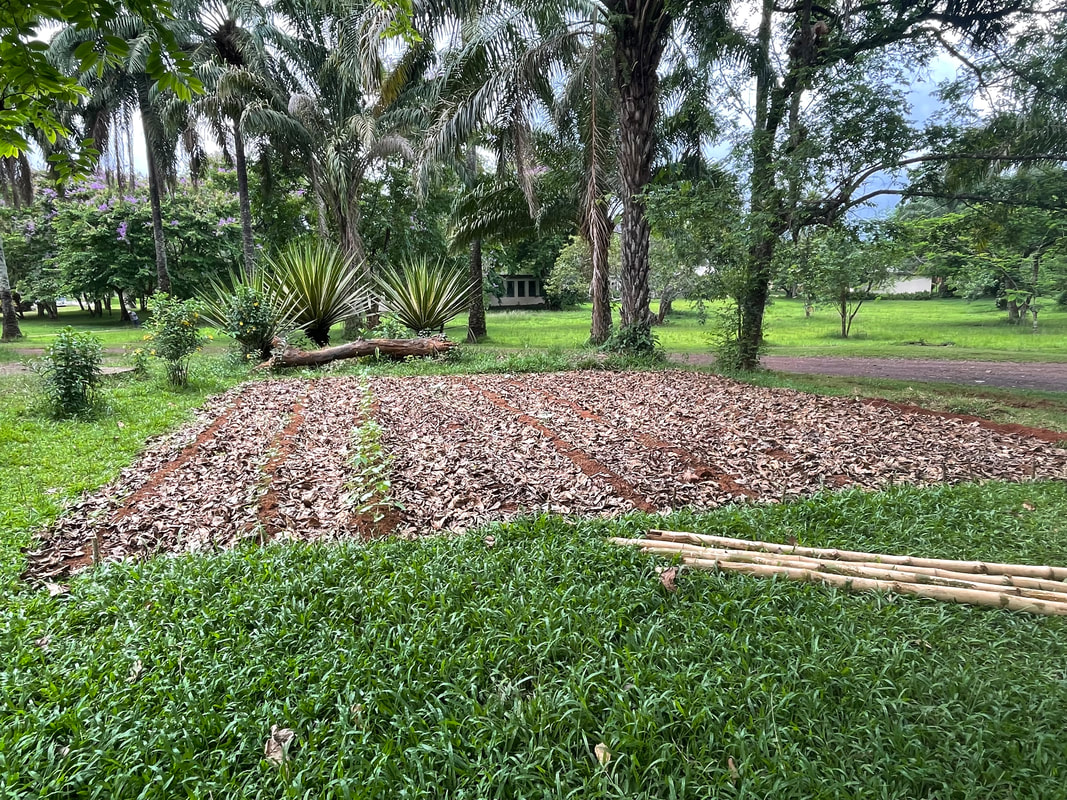
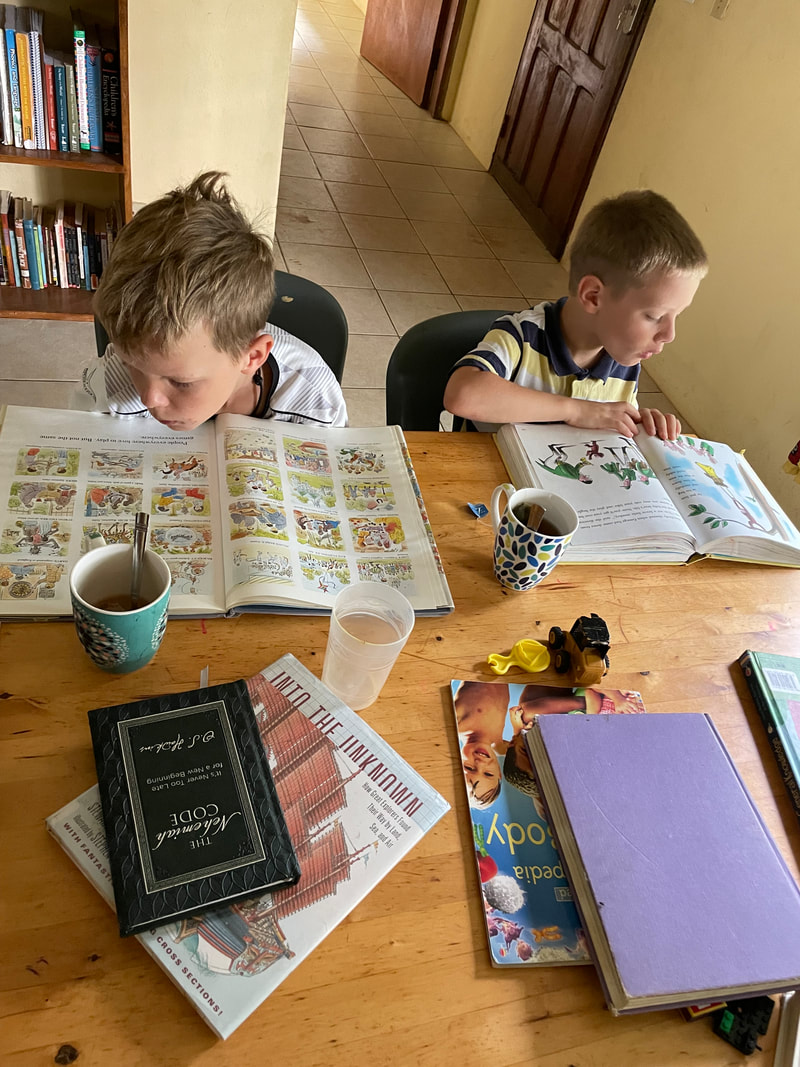
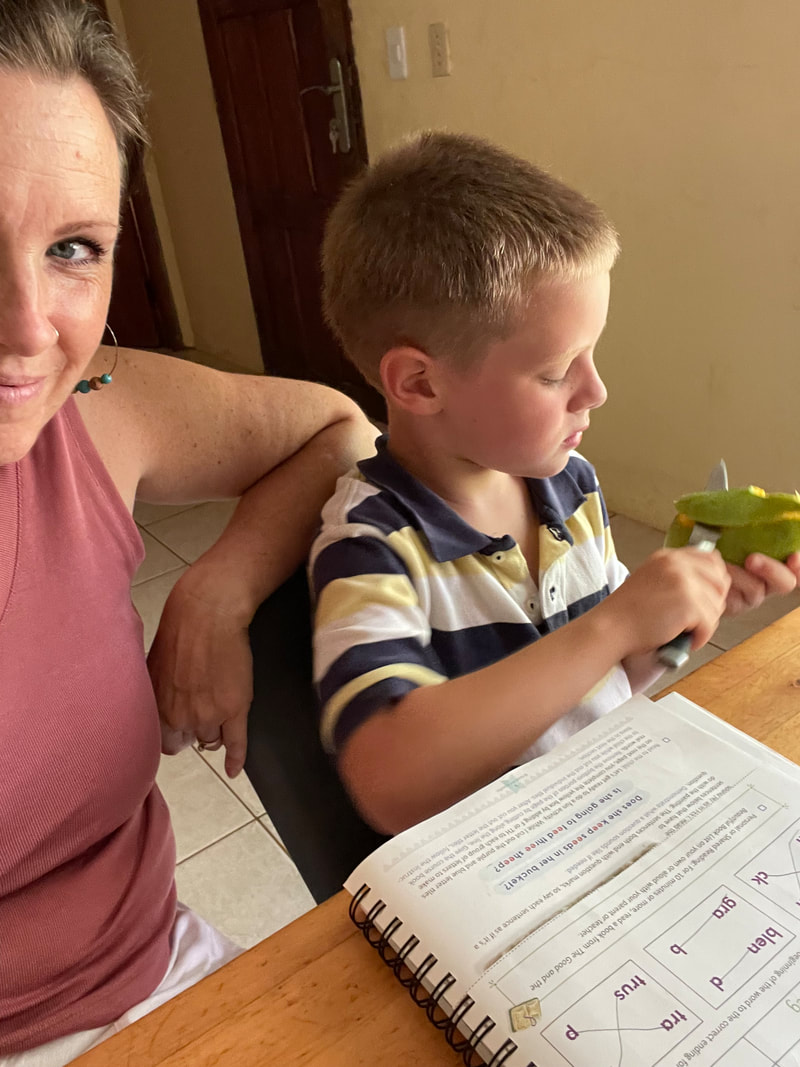
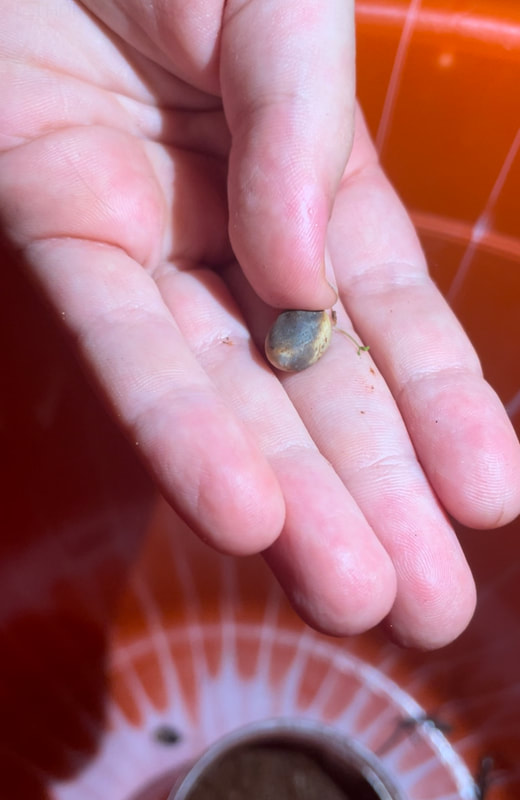
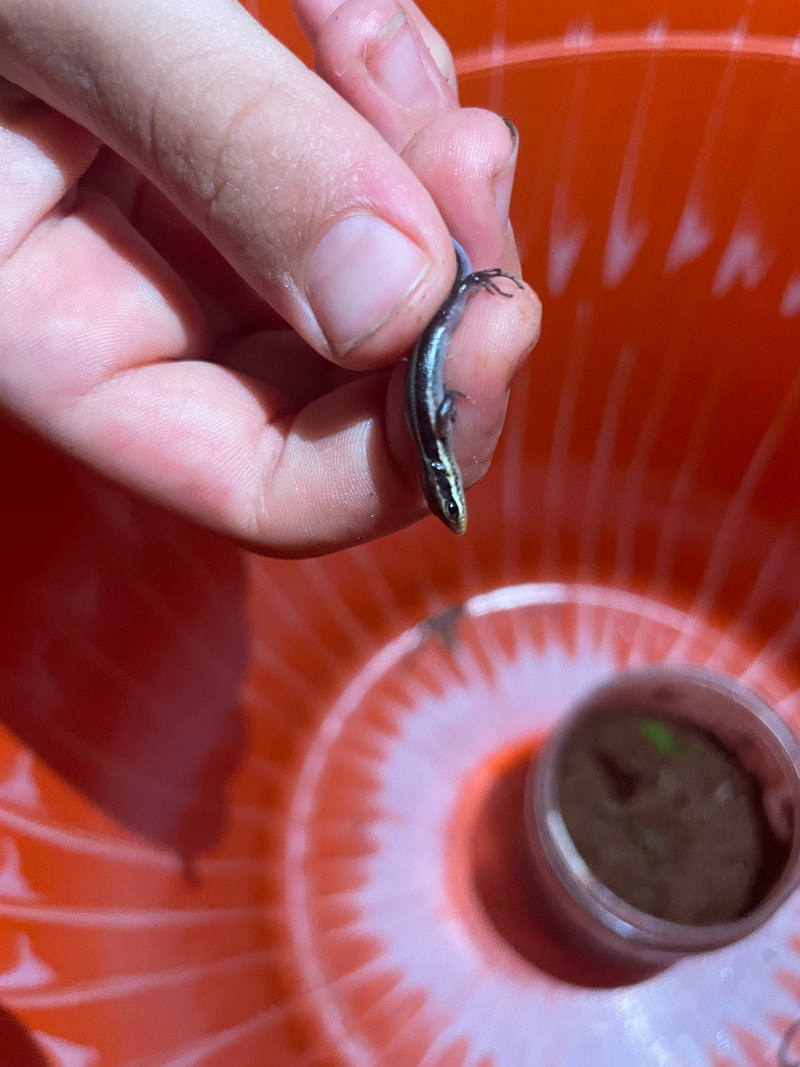
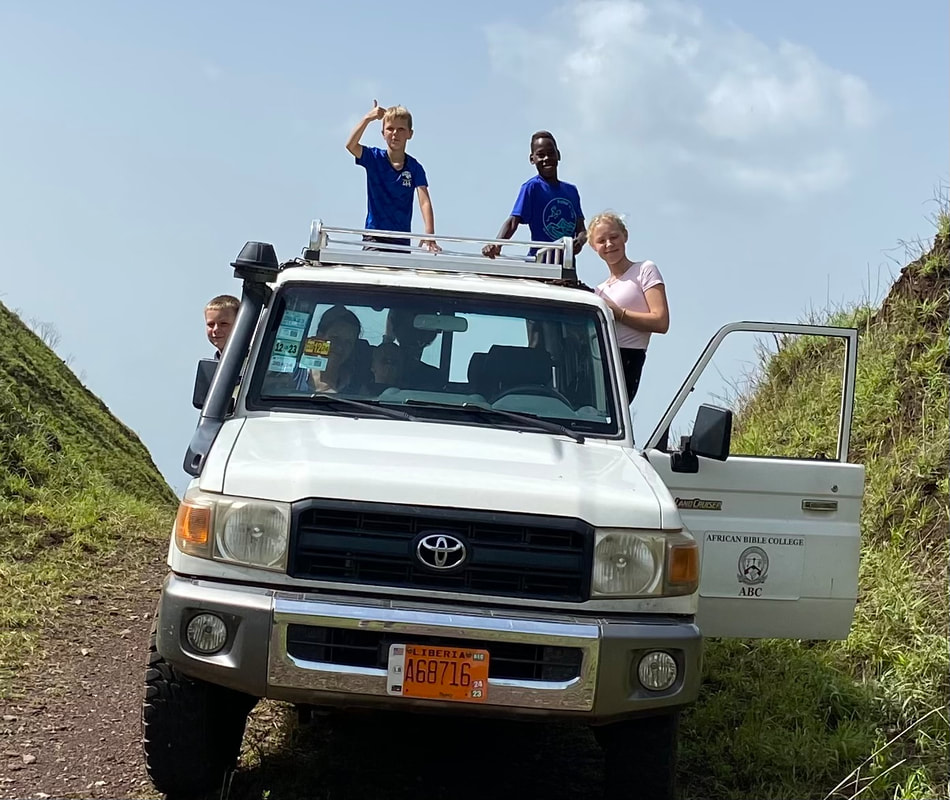
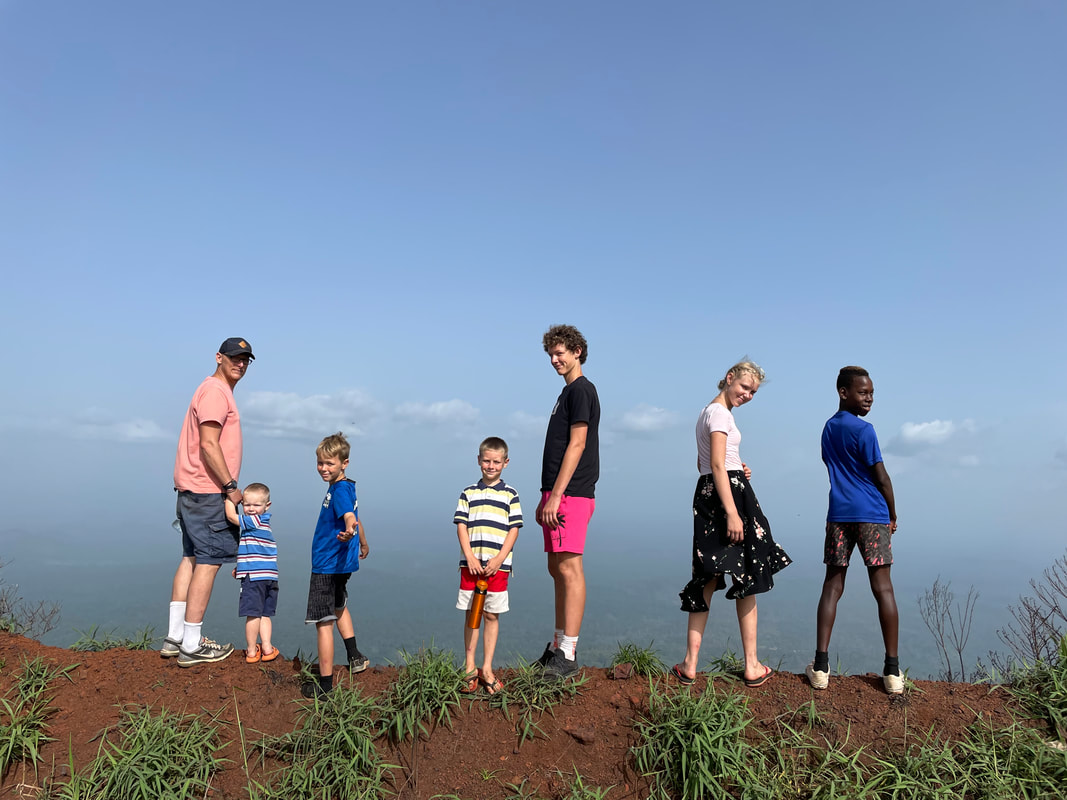
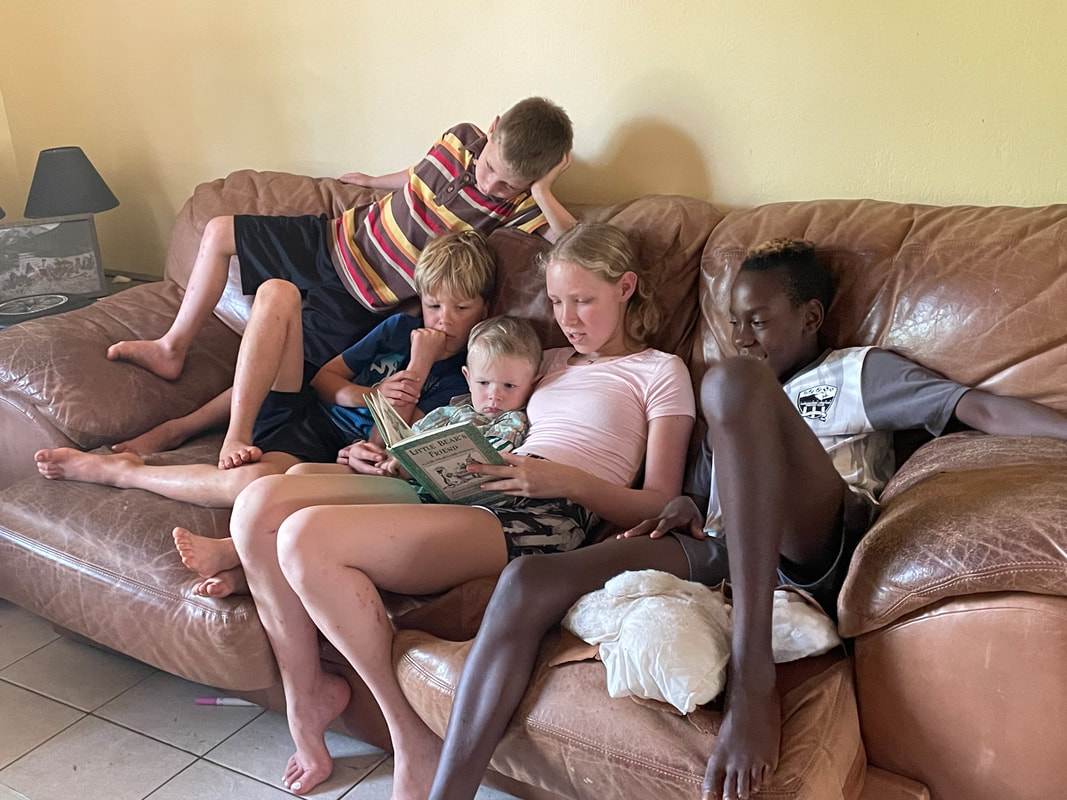
Believe it or not, it’s getting close to the end of the semester! Kenneth’s classes are plugging along at memorizing the Sermon on the Mount as well as taking turns preaching. He has really enjoyed getting to know these students and playing a role in their lives. This past week we found out that many of his students and others that we have relationships with are behind on their school fees. This is an easy thing to have happen here where students don’t often have a means of getting financial support such as through school loans, scholarships or other outside help. If you are on our newsletter list you should have gotten our special request for help for these students. We were so excited by the response! It looks like we will be able to help about 10 or so students to be able to continue with the semester! We will send out final numbers in our newsletter at the beginning of May. Thank you to so many of you who gave! What a blessing. Although Liberia is always green, nowadays it is EXTRA green. I have a little garden with several things growing that I can’t get in the market here. Currently the green beans are doing the best, but the carrots are a close second. Only about a third of my tomatoes and peppers came up, so I started a few more in the house to fill in the gaps. So far so good! Lately, these two have been enjoying reading more and more. I often find them with a cup of tea or just piled on the coach, reading books. Now that it’s mango season everything is done with a mango in hand! Here in Liberia mangoes are called “plums”, and they are delicious! We are all enjoying the fact that the boys will spend all afternoon picking plums for us to eat! 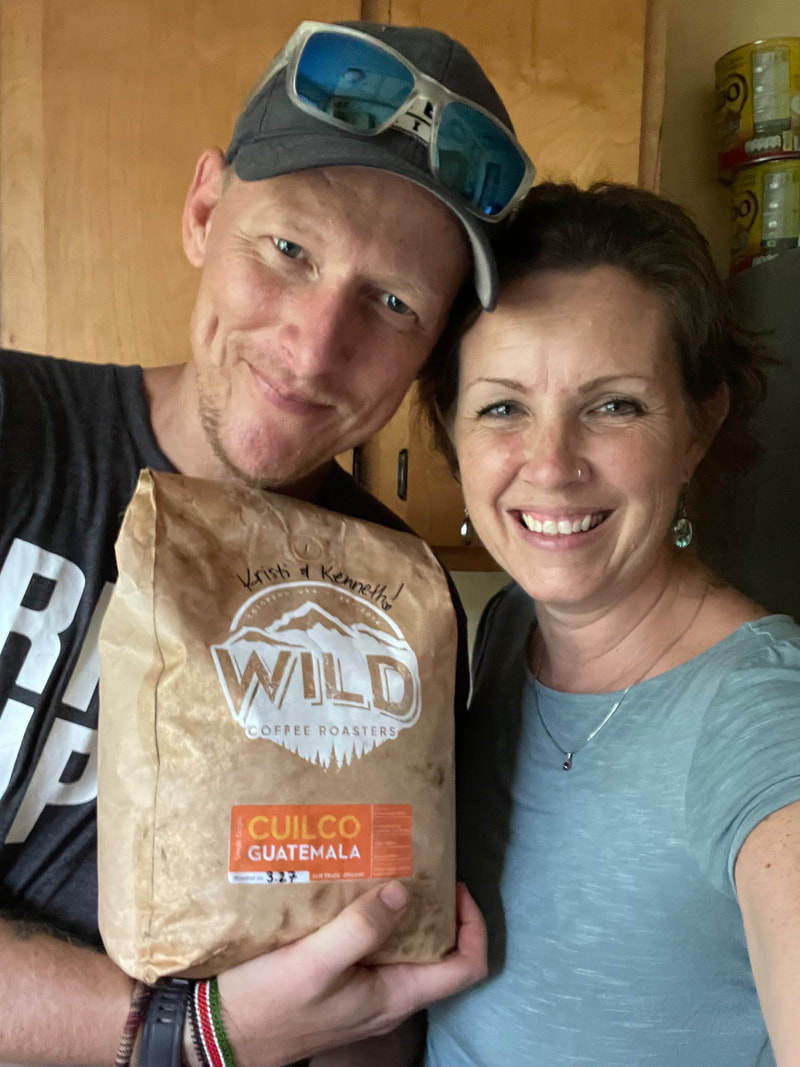 Kenneth and I were thrilled to get a bag of Wild coffee this month from a visitor to Liberia! Despite not even knowing each other, they were willing to transport it for us. Kenneth is making us finish the bag we’re on (something from the grocery store here) before we open this one, and I can hardly wait! Benaiah found some lizard eggs sometime in March and has been excitedly waiting for them to hatch! Not only did they hatch, but in our hands! What a cool experience for all of us. We are never lacking for animal encounters here. In fact, it’s one of my favorite things about living here! God’s creation is pretty incredible. We enjoyed another trip to Mount Nimba this week. It has become our favorite place to get away from town and experience some peace and quiet. The views remind us of Colorado! You can even see into neighboring countries from the top of the mountain. Breathtaking!
Praises: - We are all doing well health-wise. Benaiah is currently on antibiotics for an infection in his leg, but he is recovering well. - It’s rainy and cool today! - Rikot’s Ugandan visa was extended for two more months! - Many students’ school fees have been covered due to the generosity of all of you! - Our car continues to work well. Prayer requests: - Continued health - That students will finish the semester strong, including the Williams students (and their teacher!) - Our campus is in need of a farm manager! Please pray that God would bring someone ( if you are interested, please let me know!) - Today is Zion’s 18th birthday! Pray that this next year will be one of growth and fruit in his life. We are excited to see him play college soccer in the fall! Thank you for your prayers and financial support. We couldn’t be here without you! Please send us an email when you have time. We love to hear about your lives! Much love, the Williams
0 Comments
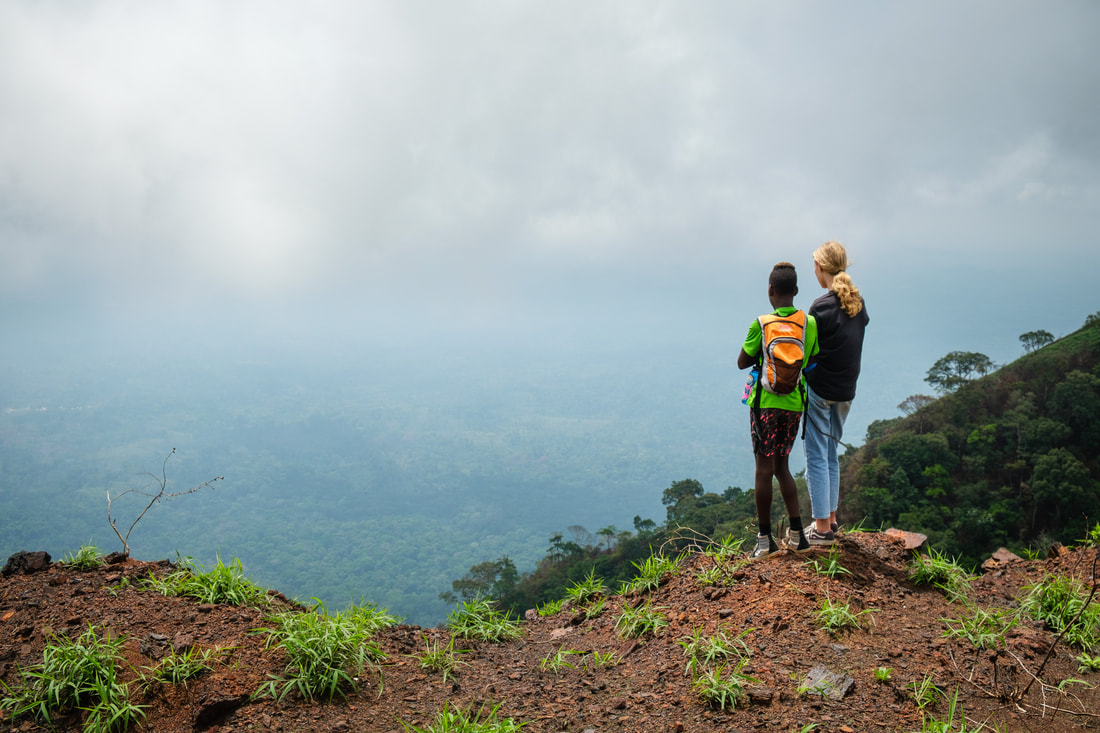 Acuka and Selah on Mt. Nimba. It’s getting greener up there! Sorry for the lack of communication! Believe it or not, an undersea cable stretching from Europe to West Africa was damaged, cutting off all internet to many west African and Central African countries. This, along with some friends visiting and just the general busyness of daily life, has made it hard for me to get something posted. BUT! We have answers to prayer to share! Our palm tree mechanic has come through in a big way, and we now have a working car! After bringing back parts from Monrovia we were very frustrated to learn that the engine cover was missing a hole, the hole to bolt it in over the engine. He was able to take it to a carpenter and have him drill a new hole. Somehow this worked, and our engine is now running happily WITH the cover. Our air conditioner will also work again as soon as we find some refrigerant in town to add. It’s a miracle to look at our car now and know that just two weeks ago our engine was sitting on a stump, and we were feeling hopeless about the whole situation. We are so grateful to those of you who gave toward this need. God is faithful to provide what we need, when we need it! Thank you for letting Him use you. 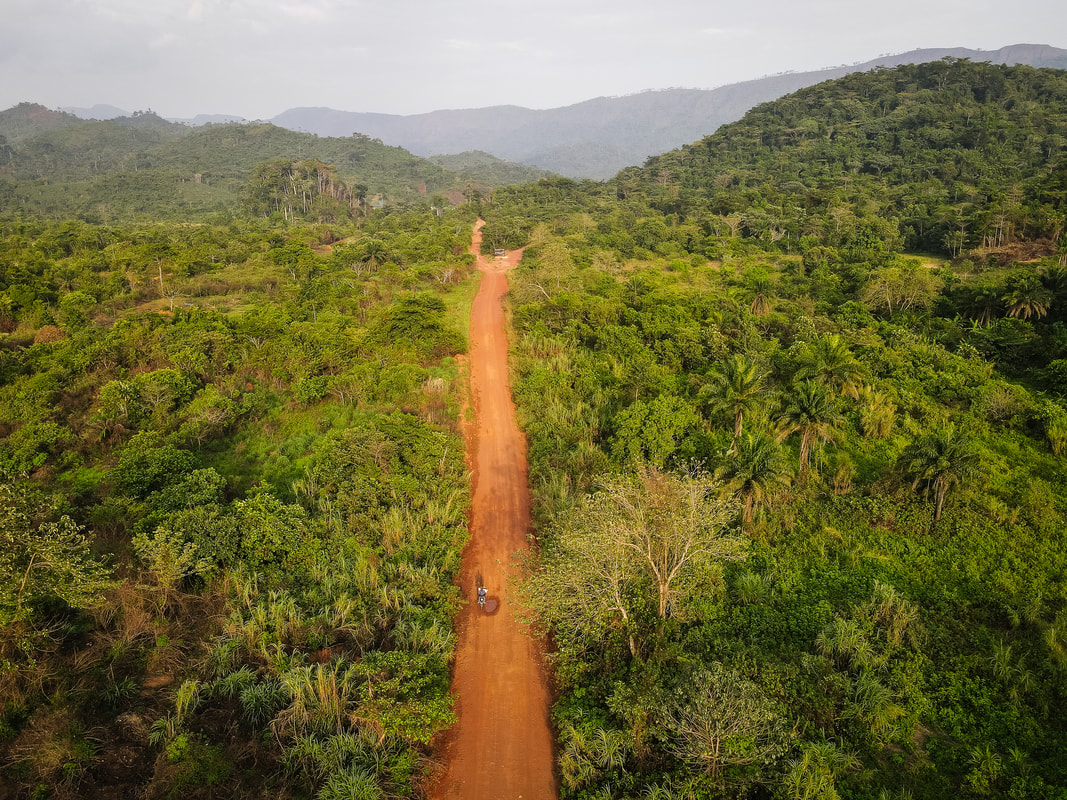 The Guinea road from above. The border is only a few miles from us. Our health continues to be up and down, but overall we are doing well with no serious issues. Boils are still coming and going on various people, but we have a medicine that seems to be helping. It was encouraging to learn that our friends who visited this week (they are IMB missionaries in Ghana) struggled with the same issues when they first moved to Ghana. He was able to give us some good tips to get rid of them for good! Rainy season is here a bit early this year it seems. Although it doesn’t rain daily, it’s coming at least every third day at this point, if not more often. The rain makes things grow so fast that you can almost see it happening! Last night it rained for five hours straight, and having never experienced this before, I started to get worried about flooding. Kenneth kept assuring me that it was very normal here! As soon as the rains started this month I hired a student to help prepare my garden, and it’s now ready to plant. I am so excited to have a garden I don’t have to haul water for! It will also be fun to have things we can’t find in the market such as carrots, bell peppers, lettuce, regular size tomatoes (they only have very small, sour ones), and green beans. Gardening will be a bit different here, but I’m looking forward to the two growing seasons rather than one. I’ve also ordered many varieties of tropical fruit to try and plant here in Liberia. Food forests, here we come! Mt. Nimba. All of these photos were taken by our visiting photographer-missionary friends from Ghana. It is always a fun treat for us to have visitors, and this week’s were especially fun! William Haun is an old boarding school friend of Kenneth’s, and they spent the visit reminiscing about all the mischief they did in middle school. Believe me, it was a lot! William also happens to be a professional photographer, and his son, Trey, is well on his way to becoming a professional unicycler. We were blessed by their visit and grateful they took the time to stop and see us!
Kenneth’s classes are going well, and he is staying busy overseeing a million different things every day. His soccer and basketball teams are improving daily as well. The basketball team won their first scrimmage last night, and we’re so encouraged to see how far they’ve come in only two months. This morning a player stopped by to share how excited he was to see that they have the ability to win! They are learning positions and offense/defense, many for the first time. Although the soccer team has not won yet, they have progressed from 5-0 losses, and this past week tied the first place team 2-2. Improvement! We are seeing the need for a basketball coach though, and are hopeful that one of you reading this might feel called to come and join us here! Praises:
Prayer Requests:
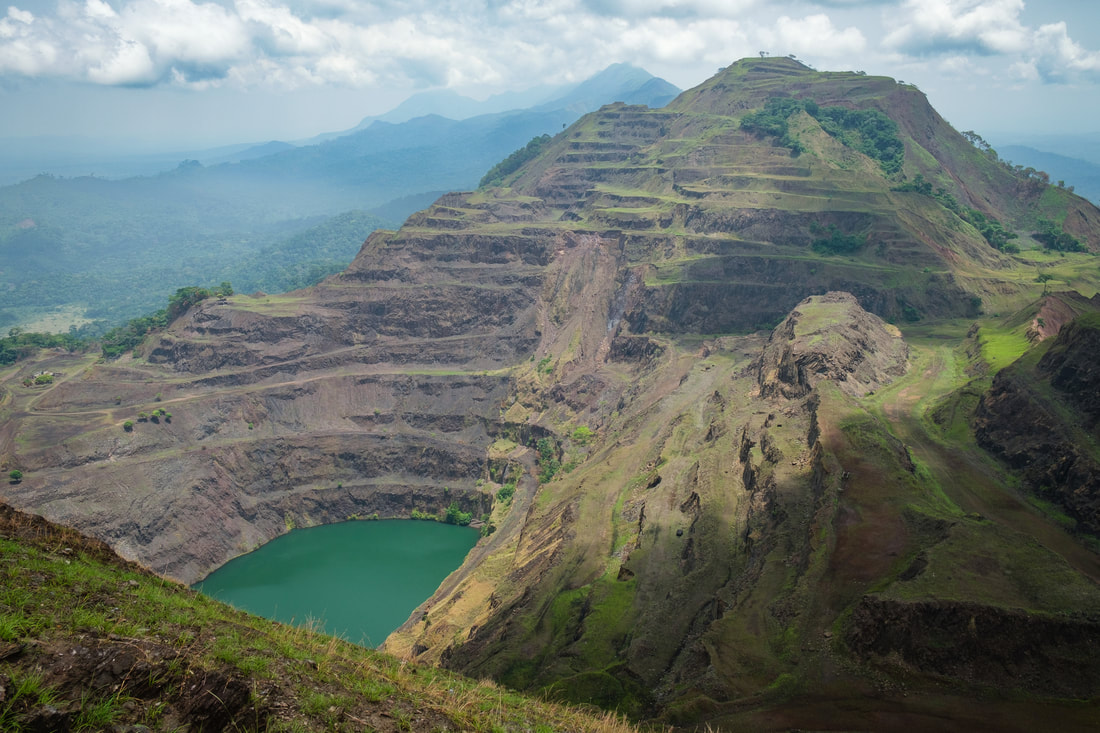
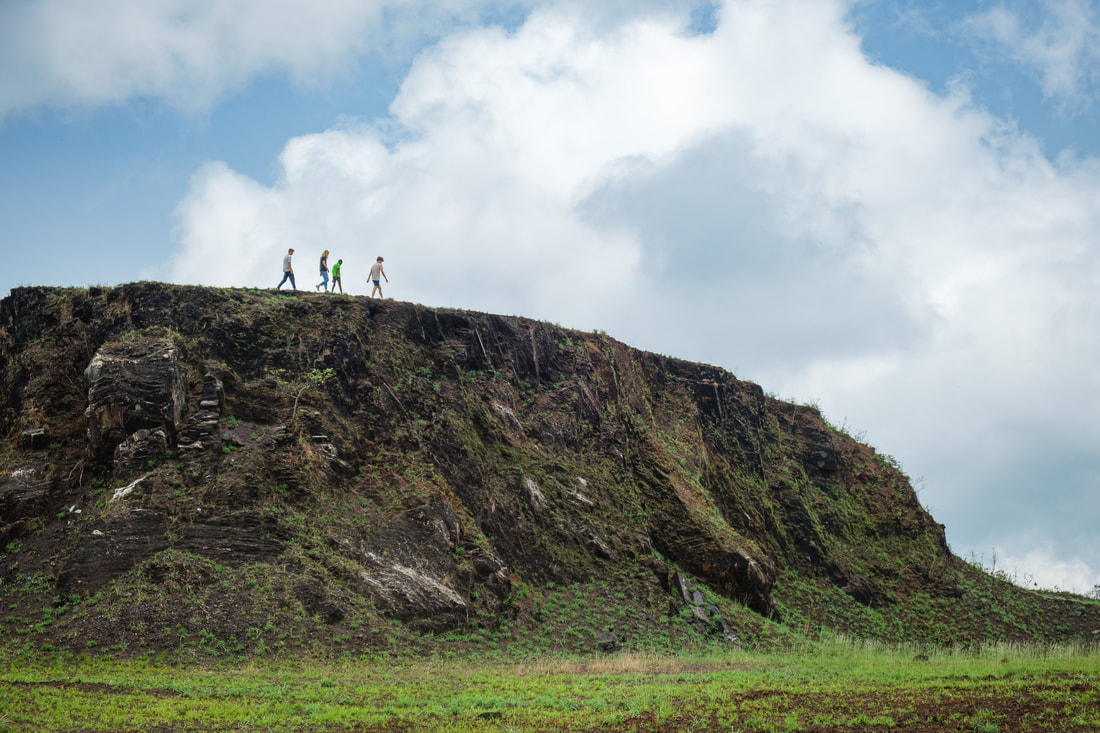
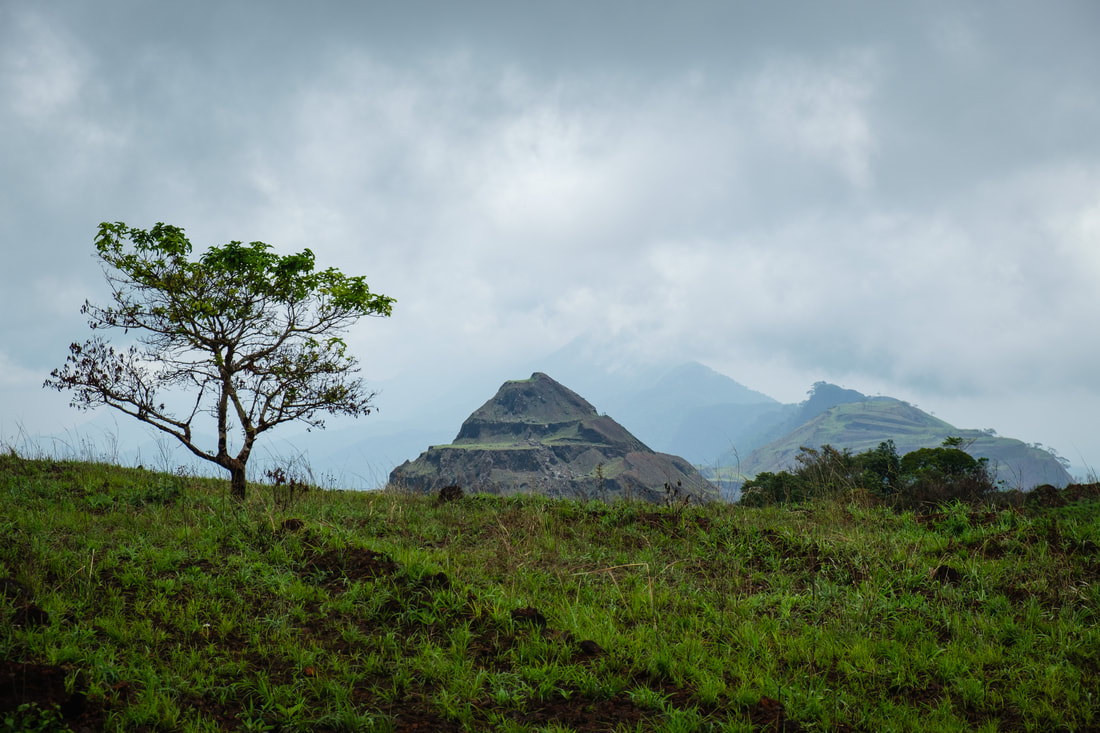
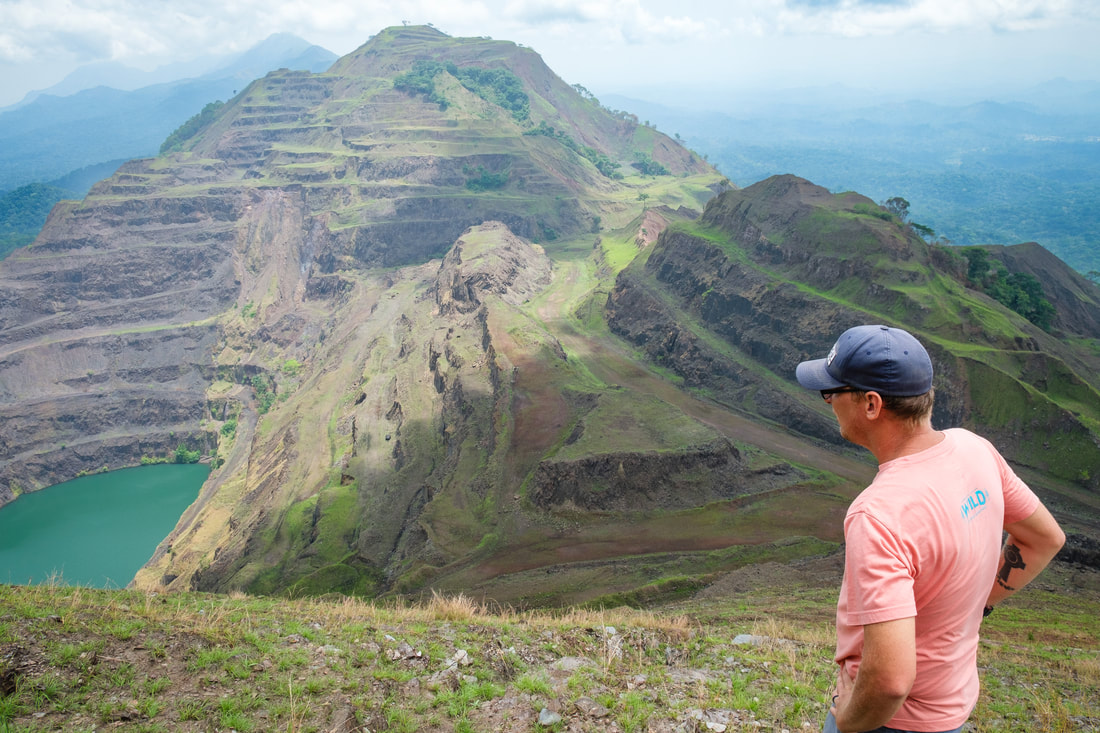
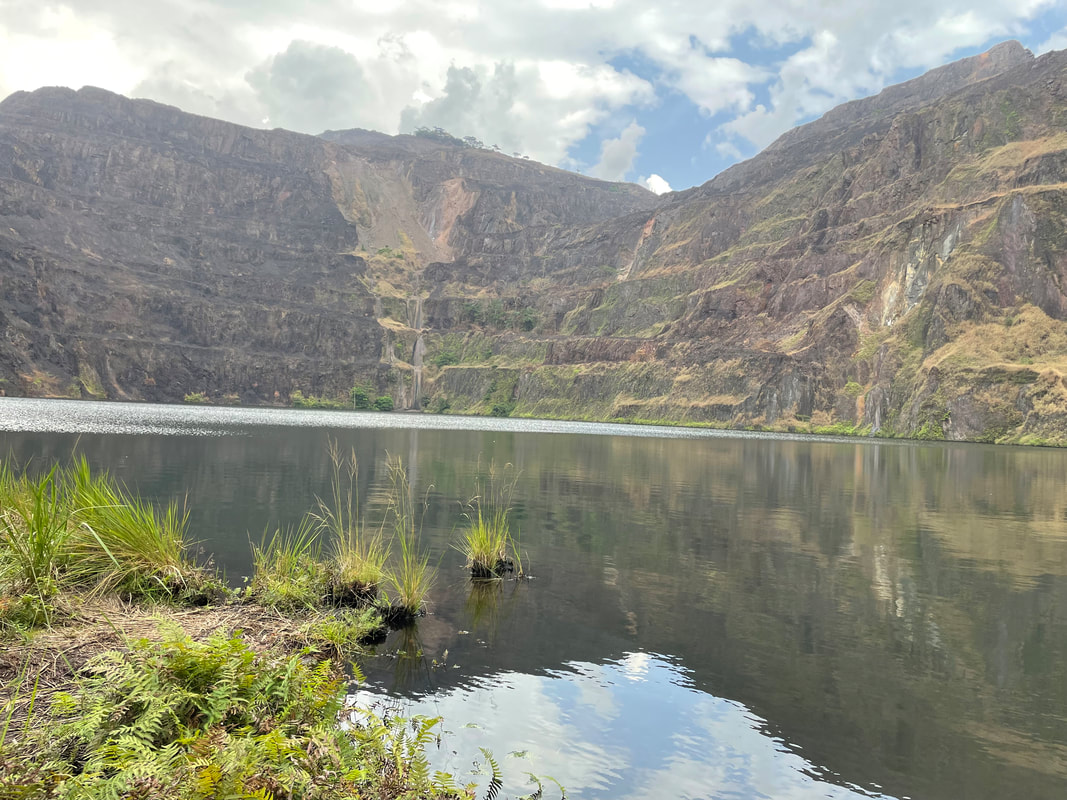
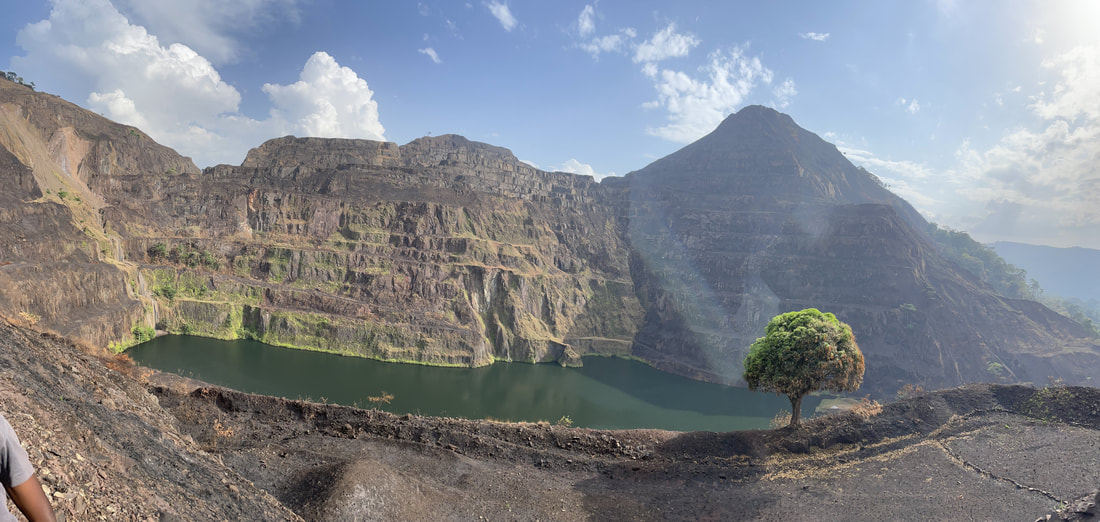
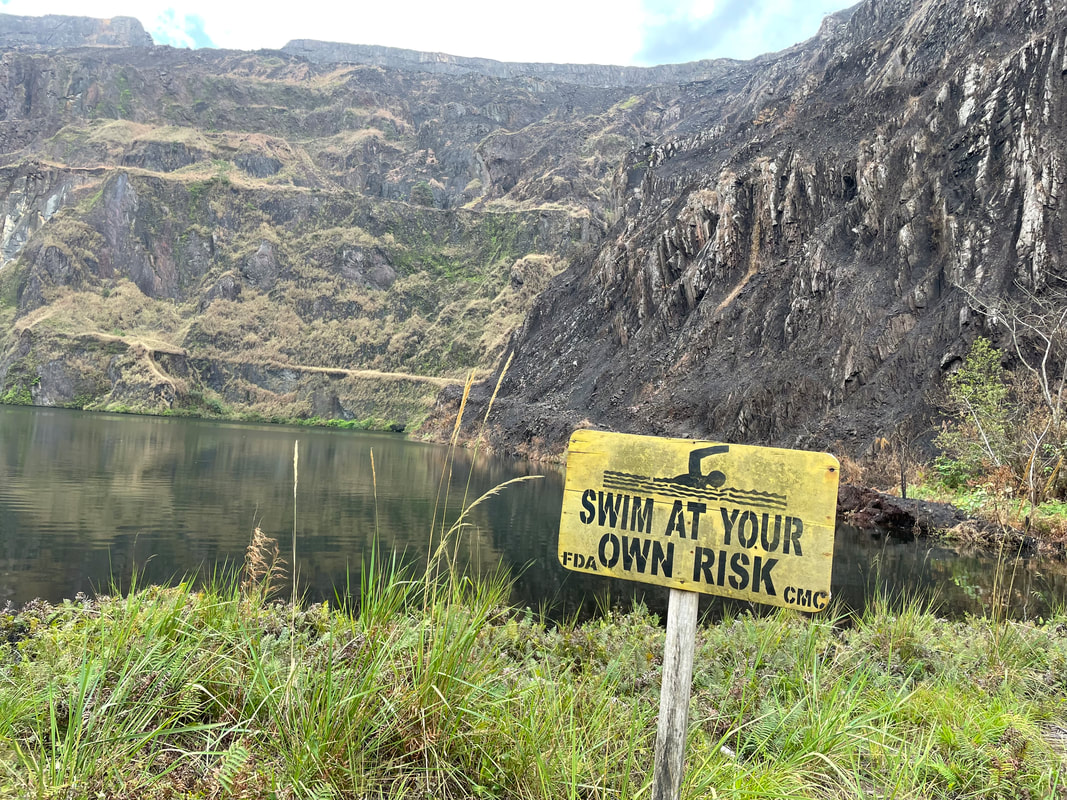
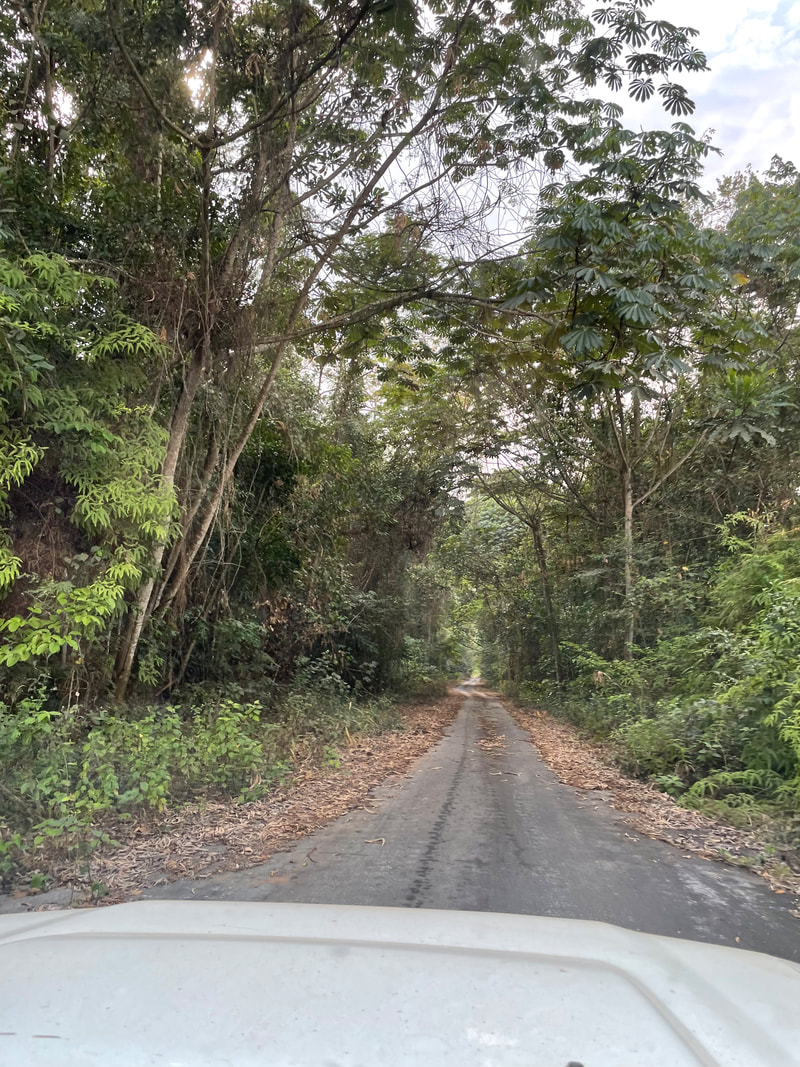
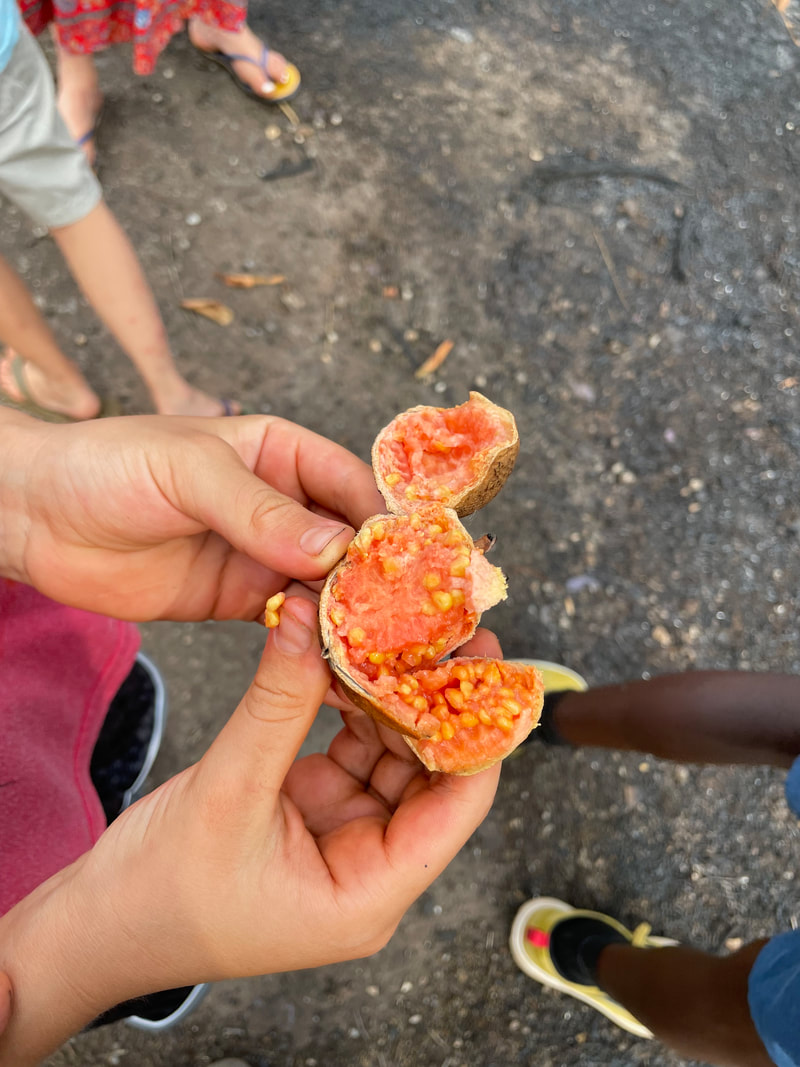
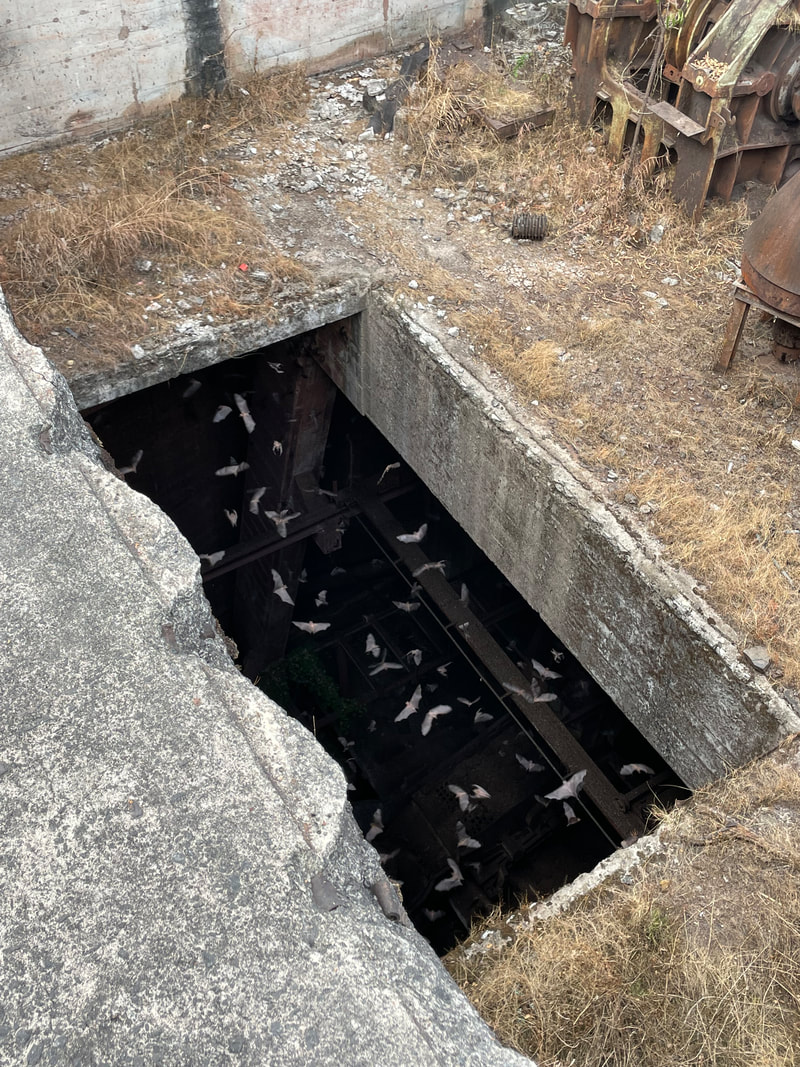
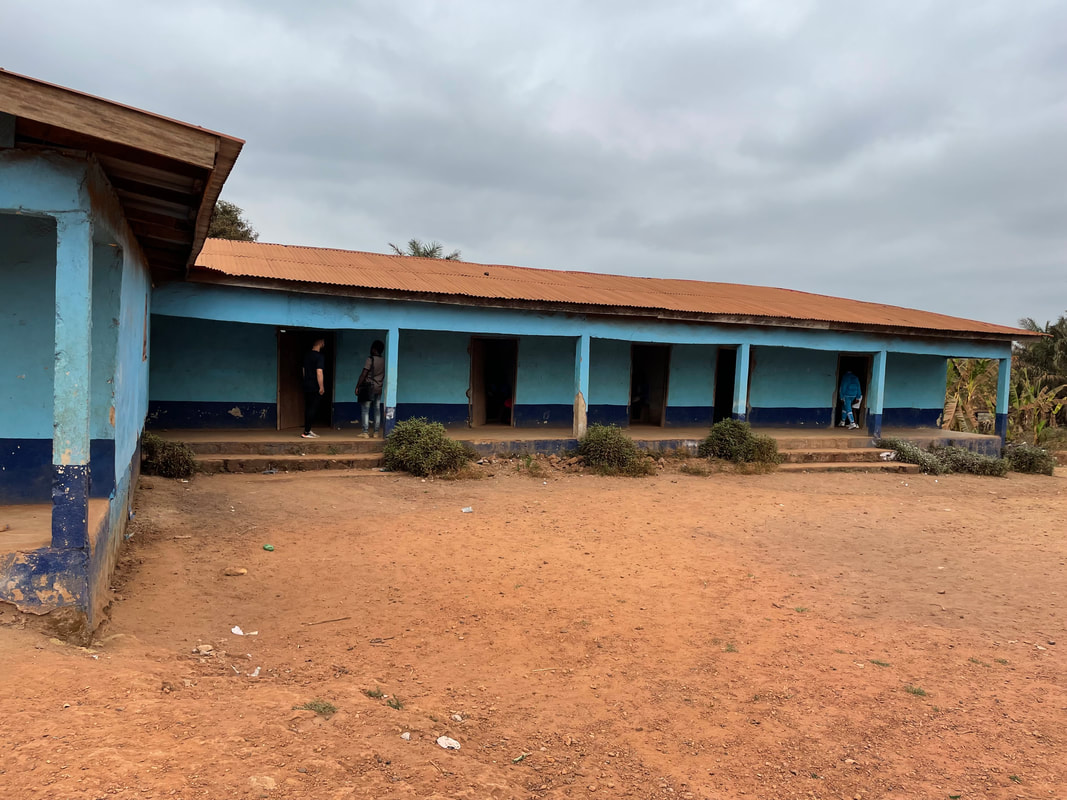
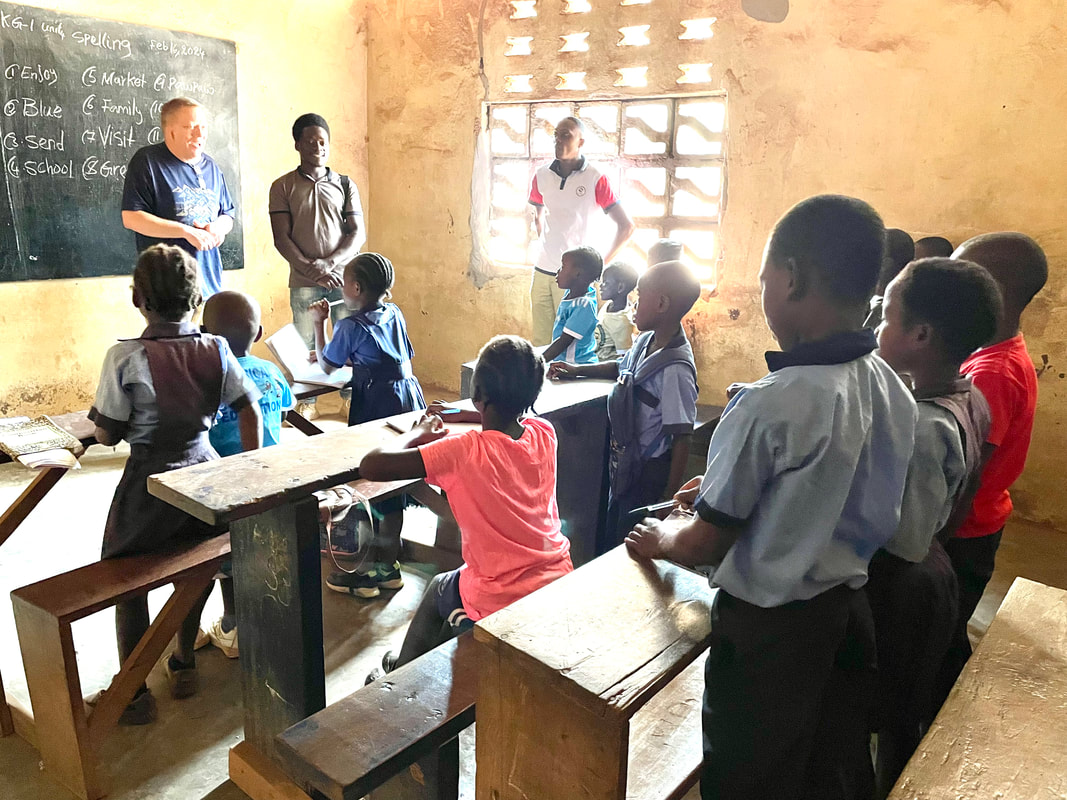
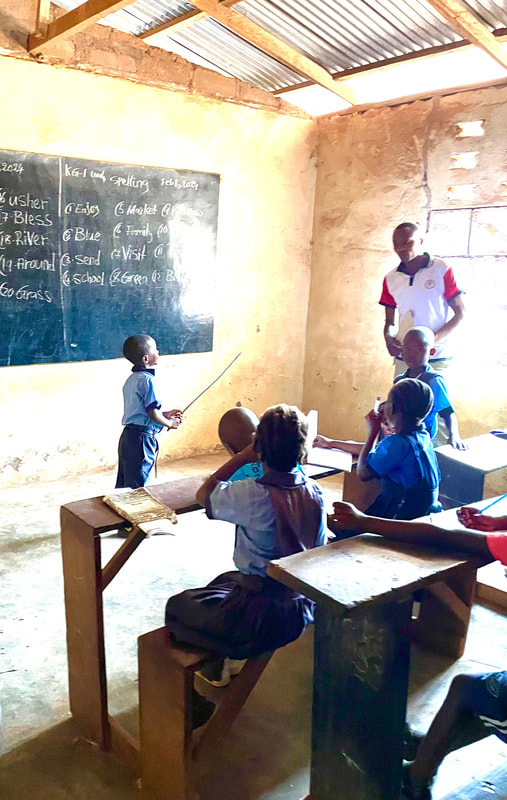
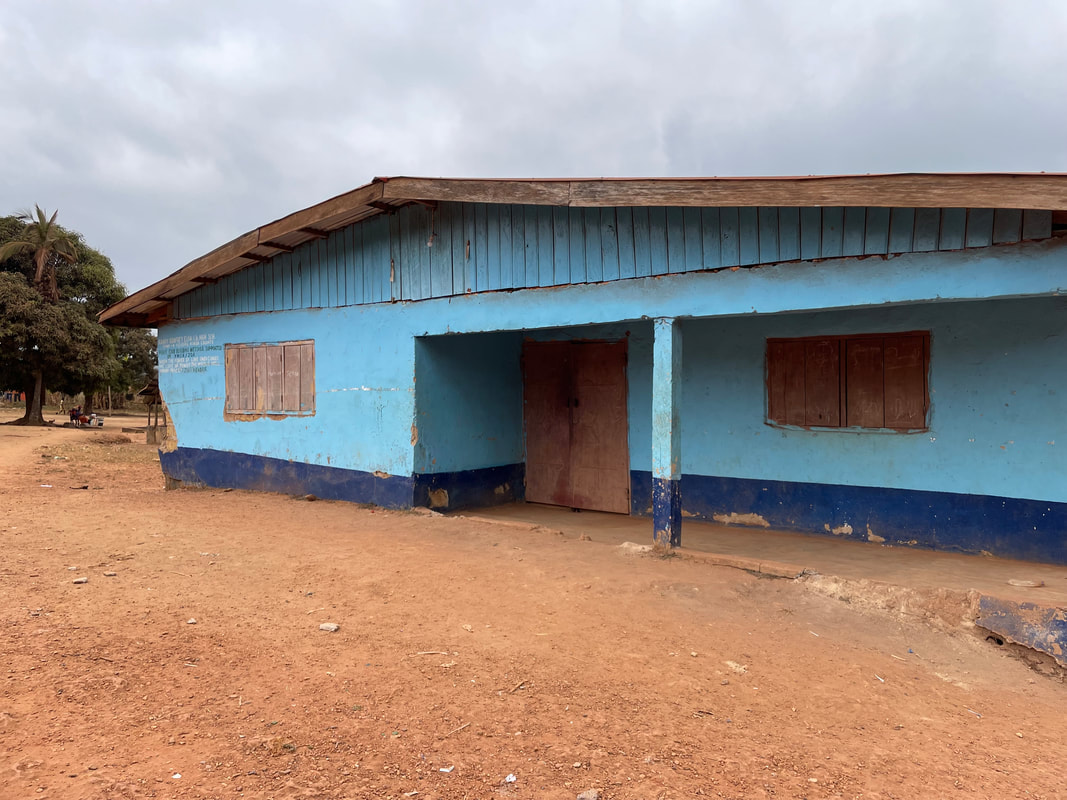
As always, thank you for lifting us up! We are incredibly blessed to have each of you in our lives. 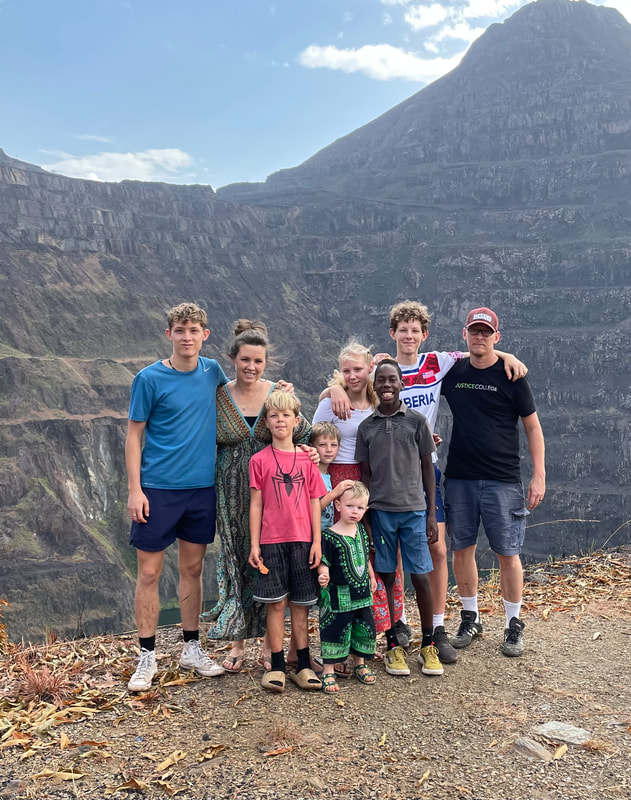 This week our family was able to take a trip up to Mount Nimba. Before the civil war this was a large iron ore mine. It was fascinating to see the old equipment and lake, which is several HUNDRED meters deep! The drive up is absolutely beautiful with the rainforest canopy stretching overhead the entire time. The mine has been converted into a nature preserve with an eco lodge soon to follow. One of the things that plagues Mount Nimba is wildfires. The iron ore rocks can easily spark when struck together, causing frequent fires that can’t be controlled. This guava was burned on the outside, along with the rest of the tree, but the inside was ripe and delicious! The abandoned rock crusher that goes down 8 stories into the ground is now the home of thousands of large fruit bats! We enjoyed watching and listening to them while staying far away from the edge! Izzy and I, along with my brother-in-law, Tim, and a pastor from his church, Lance, were also able to visit a local school, the Randy Godfrey Elementary and Junior High School, last week. It was fun to pop into the classes and encourage the kids to keep working hard in school! I especially liked the Jimi Hendrix quote written on the outside wall, “When the power of love overcomes the love of power, the world will know peace.”
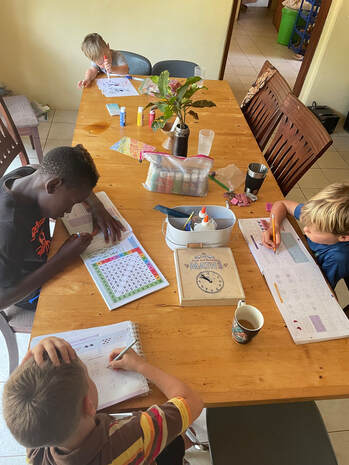
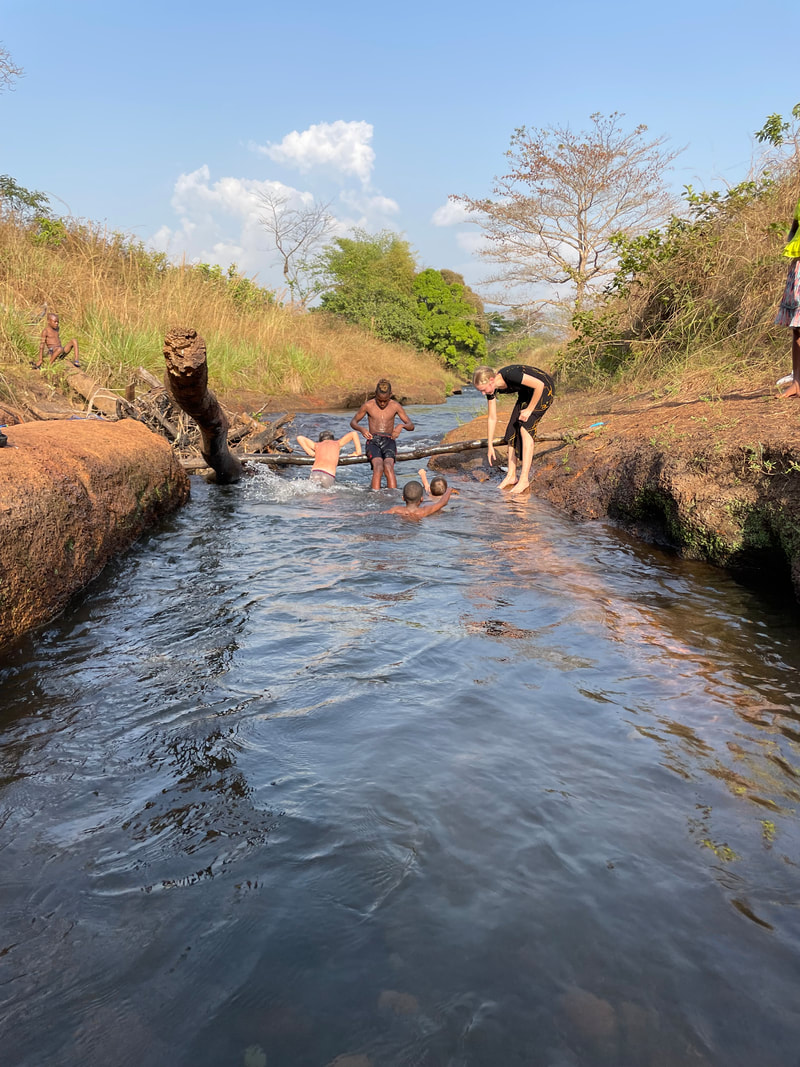
The kids continue to work hard in school, usually finishing around lunchtime or just after. This leaves them plenty of time for other things until dinner. In fact, I often don’t see them for hours at a time! The river is one of their favorite places to be. I can’t take good pictures of them as many are only in their underwear or less! They can often be found piled on the couch, listening to Selah read to them. She is always patient and willing to read the same books over and over. Selah has also become the favorite of our cat, Coco. She was kind enough to leave Selah a gift this week on the rug by her bed: a rat’s head! Although Selah wasn’t thrilled with the gift, we are thankful for the proof that she is already hunting, despite not being much bigger than a rat! Since then we have had two mice climb/jump out of holes in our ceiling. We couldn’t be more thankful for our sweet little hunter! (And we are working on those holes!)
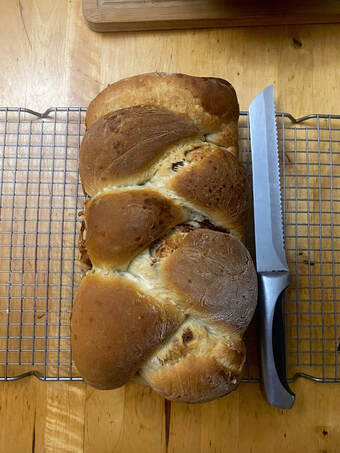
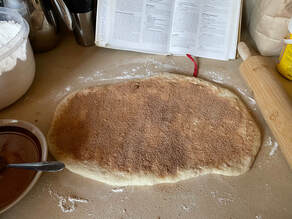
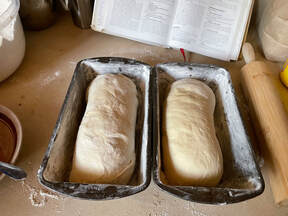
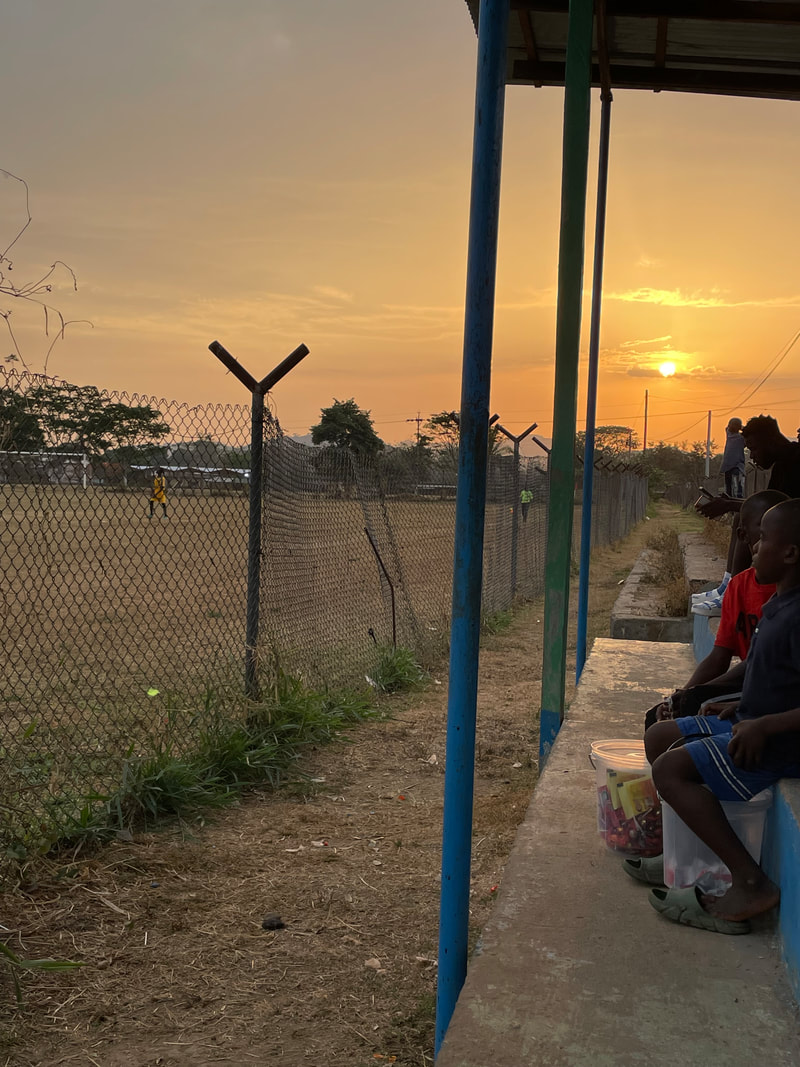
One of our new favorite pastimes has been bread making. Cinnamon bread is our current favorite! Izzy made the one on the left, a blend of the braided Challah bread with a cinnamon and sugar filling and baked in a loaf pan. Delicious! Soccer continues to be an exciting part of our Saturdays. Although the play is less graceful due to very rough fields, the fans are my kind of people: LOUD! I enjoy the energy of the crowd and the banter back and forth throughout the game. Definitely lively! This week we were blessed with a break in the heat! Not only did it rain for over an hour, it rained HARD! I had to close the windows and cover some of them where rain insisted on blowing in. It was amazing! It dropped the temperature from the upper 90’s to the lower 90’s, making life a lot more bearable for me.
Another fun thing we got to watch this week was the palm nut cutting. Our campus has hundreds of palm trees which grow palm nuts for palm oil. This week they were cutting in our yard and across from our house, so we took a few videos to share the process. Very simple! Come visit, and we will set you up with your own machete to try it!
Thanks for following along on our adventures this week! Praises: - Everyone is healthy and rashes are going away. - The temperature has cooled off considerably since the big rain storm - We enjoyed having visitors for almost two weeks! What a blessing. - Life has settled into a gentle rhythm with downtime for me. - Rikot turned 20 this week! Prayer requests: - A HUGE request this week is for our car. Kenneth was traveling back from Monrovia after taking people to the airport when a belt flew off under his hood. Somehow this hit other things (I don’t know what happened exactly) and caused the engine to seize. As I type, the engine has been completely pulled out of the vehicle, and they are attempting to fix it. However, it is a very serious issue that may not be fixable. Pray for a miracle for our new car! - Jireh is struggling with being very whiny and attached to me. It is exhausting and overwhelming to have him climbing on me all day or screaming if I won’t hold him. He has also struggled with an itchy rash and stomach issues. Please pray for healing for him and for him to chill out! We love you all! Thank you for your faithfulness to stay in touch and to pray! We are so thankful for our community that lifts us up when we are weak. Blessings! If we aren’t friends on facebook or IG you might have missed the announcement that we received all of our things last week! It feels like Christmas, opening crates that were packed back in September/October. It’s been an absolute joy to have books to read and art supplies to use for school, even if our house is full of crates and chaos until we get some furniture. Jireh was so excited to see his books again that he just had to sit down in the middle of it all and read. I don’t blame him a bit! 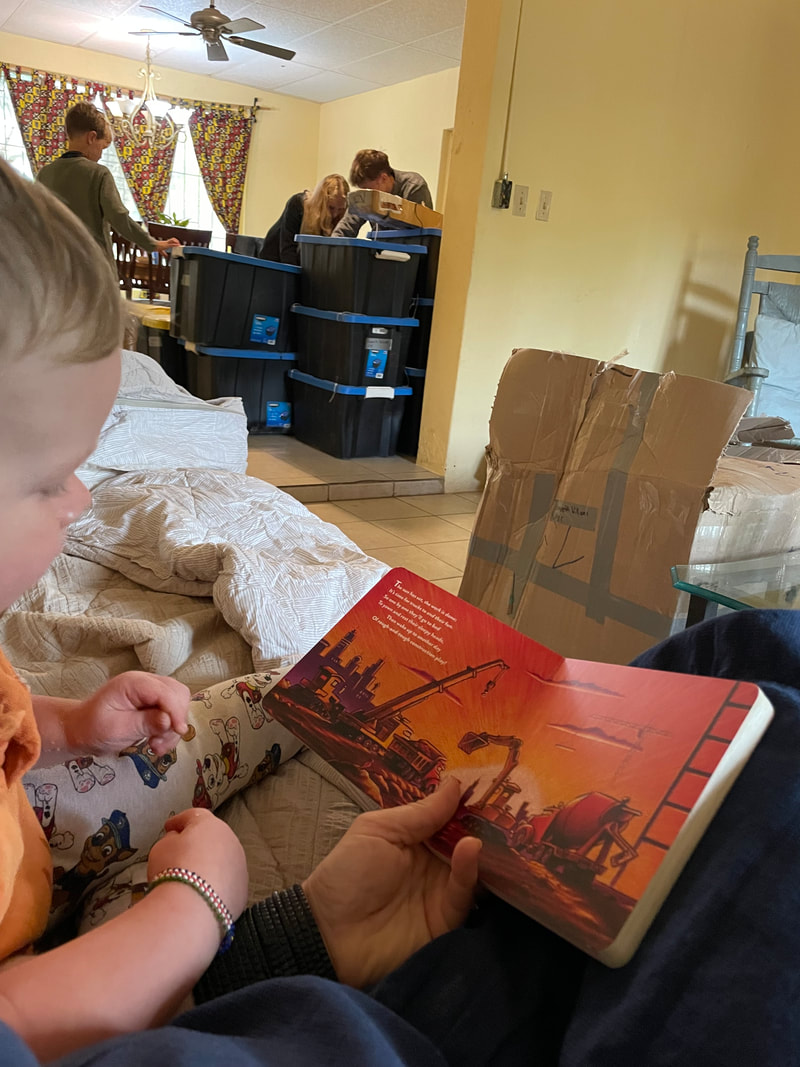 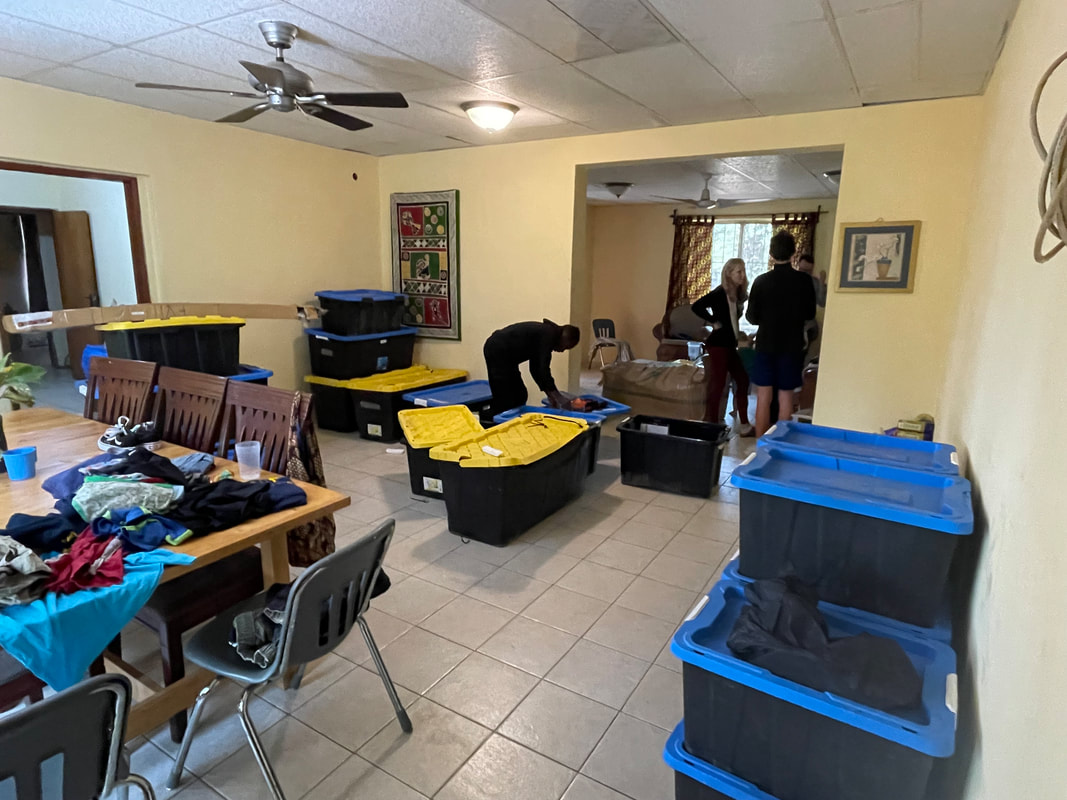 The other exciting part of this was getting the books we collected for the Betty Jonah Orphanage! I was thrilled to be able to deliver them on Saturday to the kids and help them set up their little library. Several of the kids sat and read the entire time, trading for new ones whenever they finished the book they were working on. I pray this will be a blessing to these children, and in the future I hope to add to their library whenever possible. A special thanks to the Silt Library for all of the donations!! 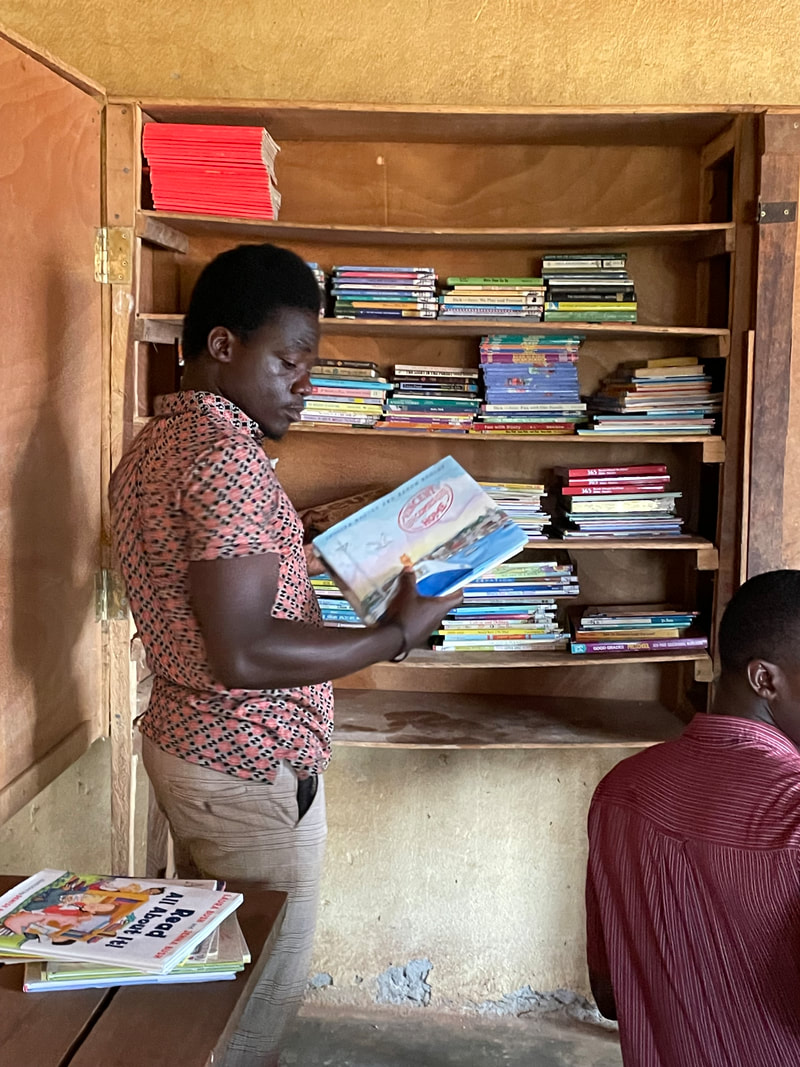 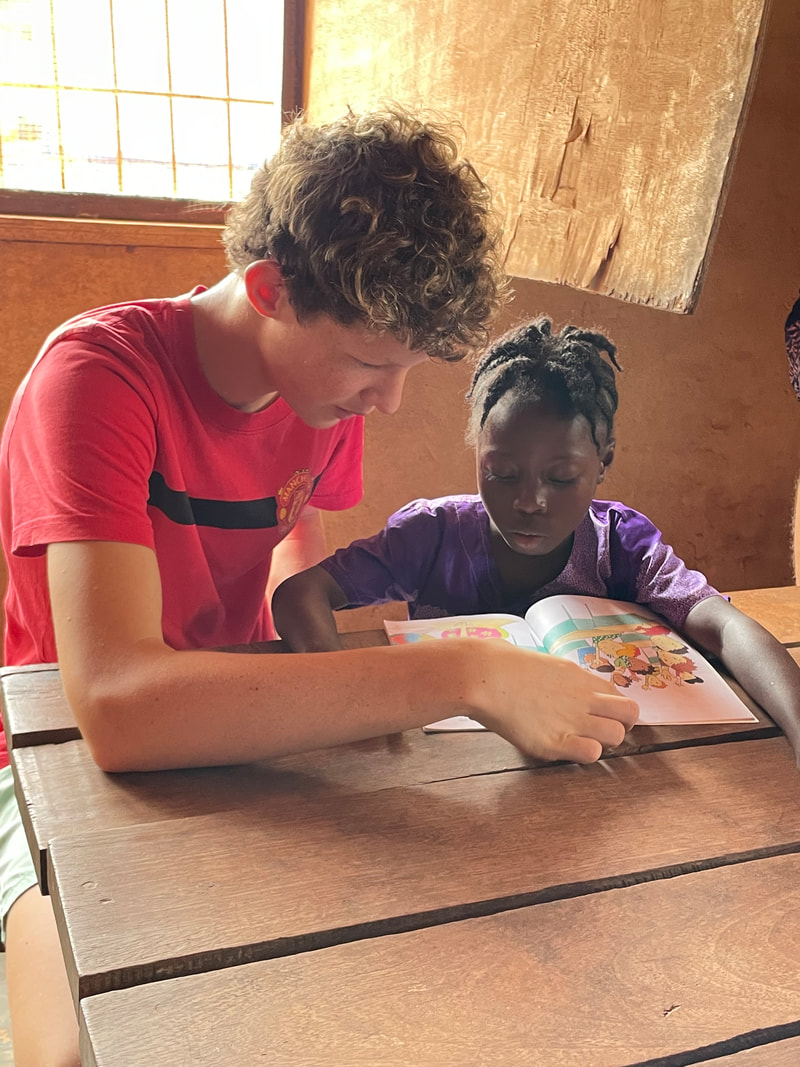 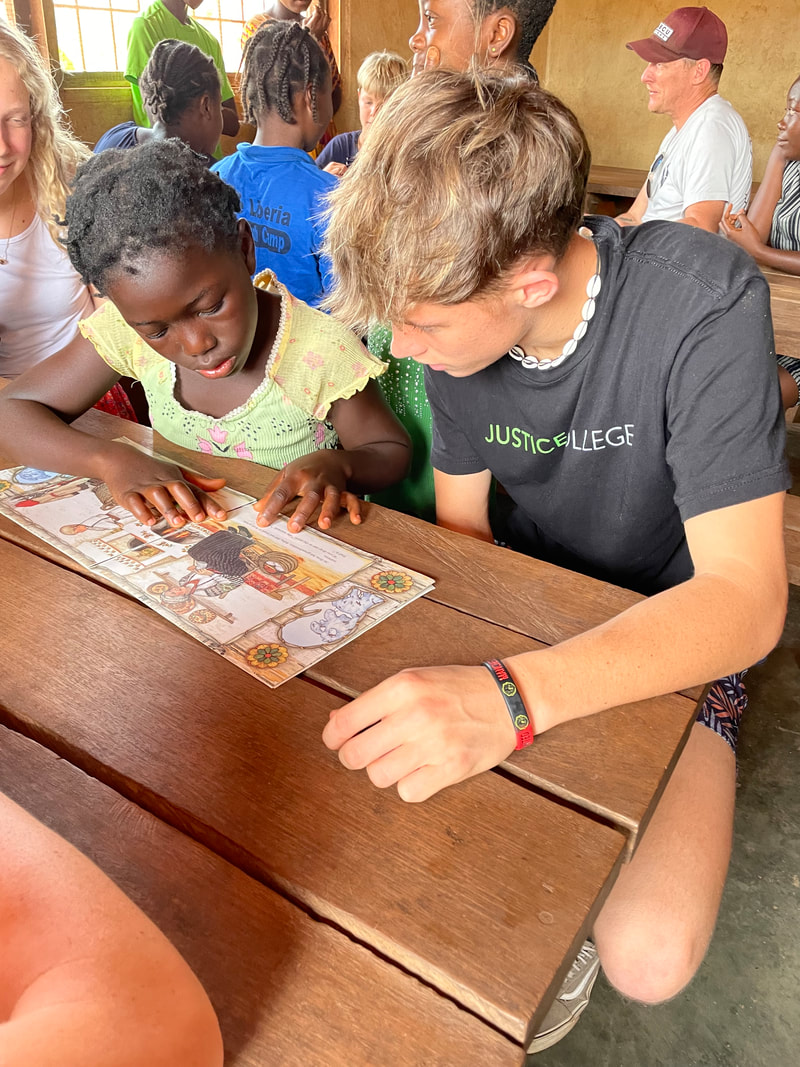 Kenneth has added some large responsibilities to his schedule in the last week that are keeping him pretty busy! He now holds the title of Campus Director and will be overseeing operations on campus that don’t include academics. This is a pretty big responsibility, and one that doesn’t come with very clear instructions! Thankfully, he is very capable, and I know he will do a great job overseeing so many departments. He continues to coach soccer and basketball, teach two classes, do his doctorate homework, oversee several students doing work study, lead a student small group, and still find time to go shopping with me (our weekly “date”)! As much as we both didn’t want him to start our time in Liberia being busy, we know it is the best thing for the campus right now to have him in these leadership positions. Despite all of these good things, this week has felt very long to only be Tuesday! Nothing too serious going on here, but sometimes little things can compound to make life just plain tiring. We are currently dealing with an onslaught of pink eye in our house. I’m not sure where we got it, but I’ll spare you the pictures. Three or four of us are passing it around, and it is no fun! Along with this, Jubal started running a fever tonight, so we are praying it’s nothing serious. I also realized that I may have spoken too soon about adjusting to the heat. It seemed like it was very bearable last week, but this week it’s just not. I think the humidity that usually comes with rainy season is starting to make itself felt with none of the relief of a good hard rain. We are cooling off during the day with cold baths and damp clothing, and thankfully, the nights are mild and even cool sometimes still. I hear that February and March are the hottest months of the year in Liberia, and I’m praying that is true, and we will soon be through them. My patience seems to be a lot thinner when I’m sweating buckets. We are feeling the overwhelm this week of life in a tougher place. The constant battle with sickness that we face overseas can be exhausting at times, and this, along with the heat and the stress of so many responsibilities, is all encompassing. The lesson we come back to is this: our feelings are just that, feelings. We feel hot. We feel tired. We feel stressed. Yet we are learning not to put much stock in our feelings. No matter the circumstances or mild discomforts, God is still working, sometimes more than we realize. We just have to continue to press on. Praises!
Prayer requests:
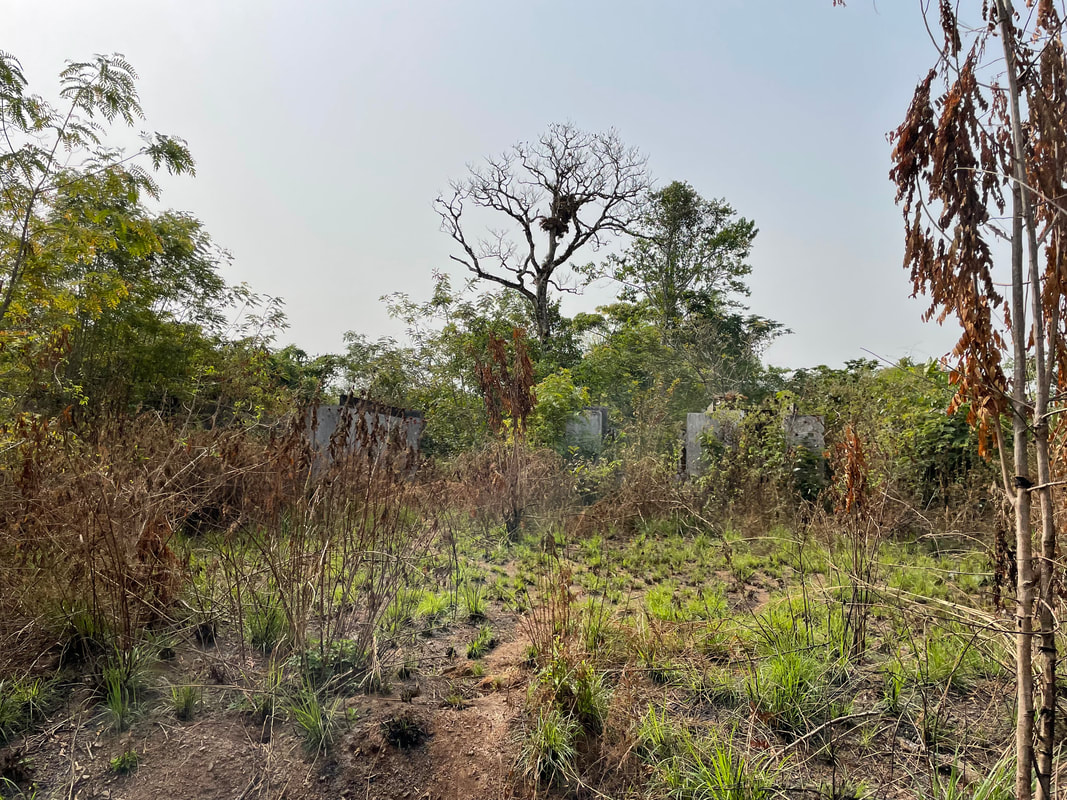
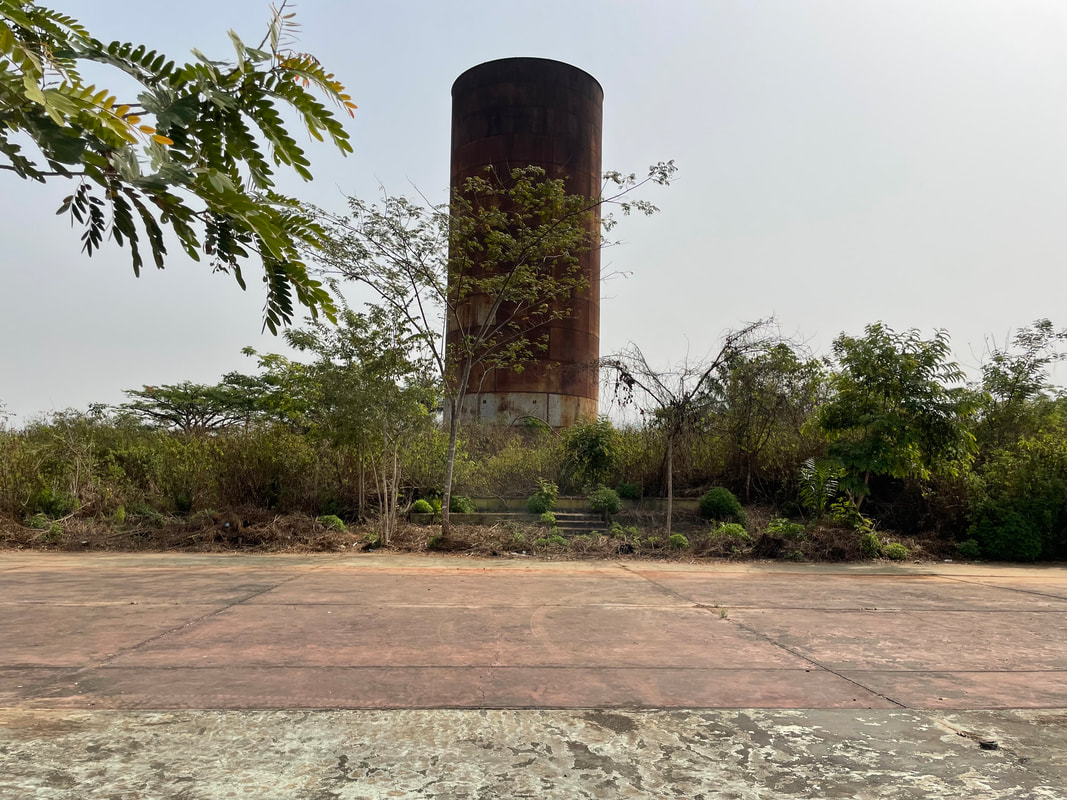
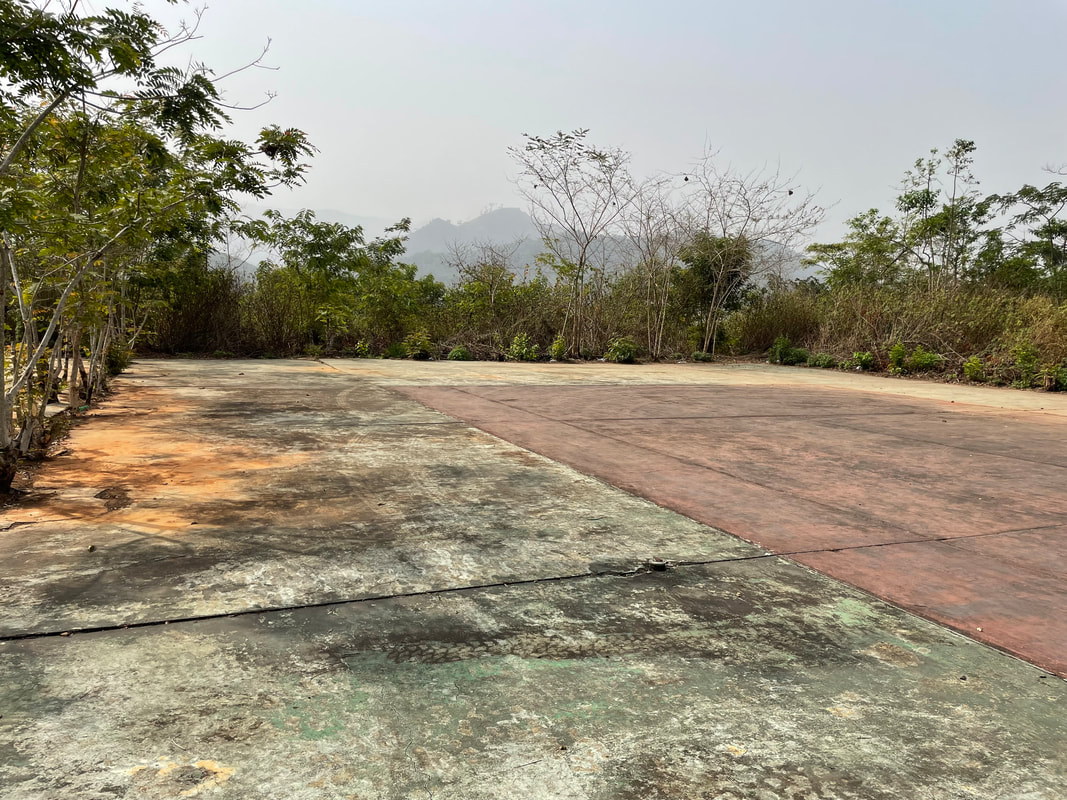
As always, we are blessed to have you all in our lives! Thank you for lifting us up and for your encouraging emails and messages. We are so grateful for each one! We could not be here without the support of our friends and family, so thank you for supporting us! ”I’m not saying that I have this all together, that I have it made. But I am well on my way, reaching out for Christ, who has so wondrously reached out for me. Friends, don’t get me wrong: By no means do I count myself an expert in all of this, but I’ve got my eye on the goal, where God is beckoning us onward - to Jesus. I’m off and running, and I’m not turning back.” Philippians 3:12-14 the Message  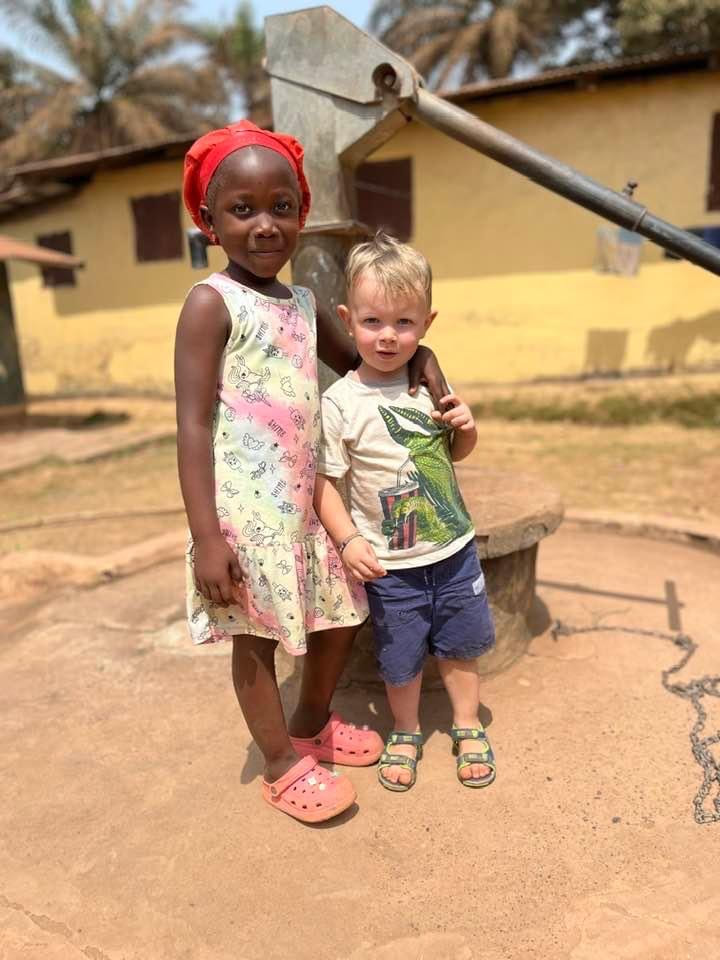  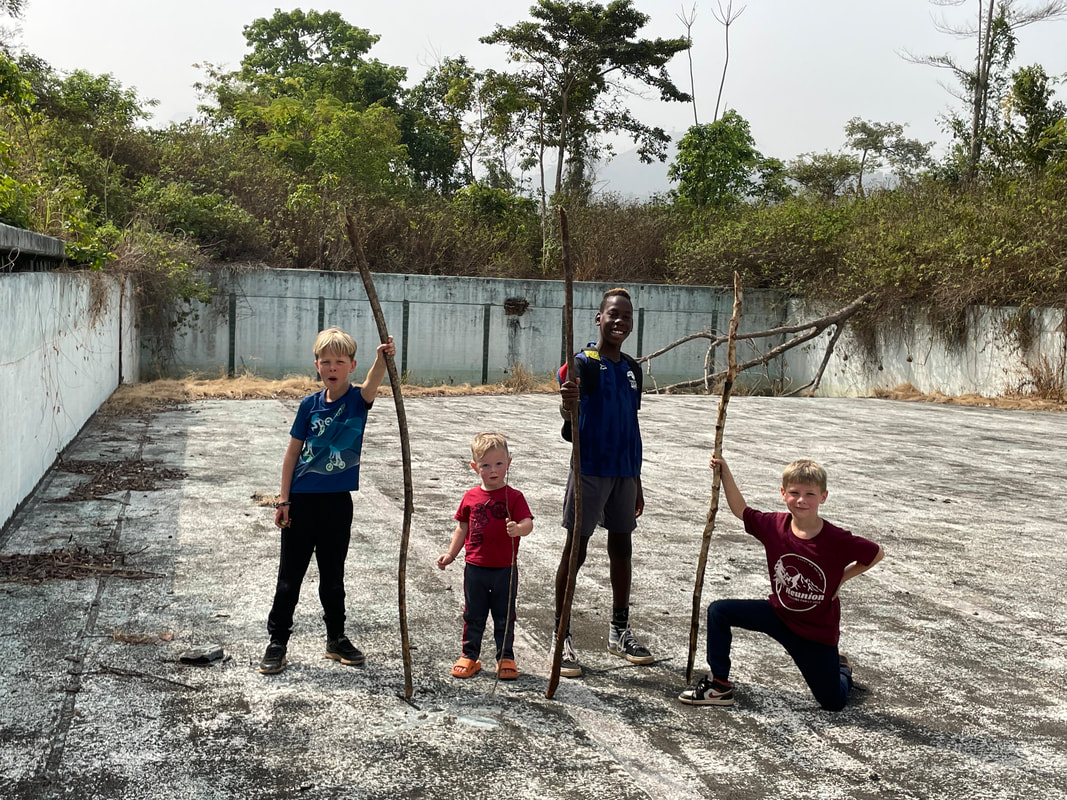 The boys wanted Jireh to have a stick for the picture as well, but this twig was all they could find in the moment. He thought he was just like them with his “walking stick”. They are standing in the Olympic swimming pool. After months of packing, followed by weeks of traveling and living out of a suitcase, this week we started school again! It was a long enough break that my kids were actually asking to do math! It has been an incredibly easy transition back into school, and although we are short on books and art supplies while we wait for our ship to come in, we are still enjoying reading, writing, and ‘rithmatic. I am already seeing big improvements in areas where some kids were stuck, and I know that the consistency we will be able to have here will be a blessing in so many ways. One of my favorite things about our schedule here is Kenneth’s flexibility! Despite the fact that he’s teaching two classes and coaching soccer and basketball, he still has several full days “off” (other than his doctoral work and prepping for classes!) that allow us to do some things together as a family. Today we went on a stroll down memory lane with him as we hiked toward the Guinea border and saw the ruins of old Yekepa. It was interesting and sad to hear about the way the town used to look and see the ruins of tennis courts, golf courses and an Olympic swimming pool. Seeing the country now, it’s hard to believe those things even existed prior to the war. What an incredibly resilient people Liberians are! We are blessed to hear their stories and to be a small part of God’s work in their lives. You can see the abandoned road, buildings, silo and tennis courts in these pictures. Someone did a good job building those courts! They have held up incredibly well. Kenneth started teaching this week, and of course, loves it (no surprise there!)! He tells me stories daily of his students’ hearts for the Lord, and their testimonies are pretty phenomenal. I hope to be able to share some of those soon. Right now he has one of his classes memorizing the Sermon on the Mount, ninety-eight verses in one hundred days! It’s truly our blessing to be around these students and to be able to pour into them and send them out. Soccer practices have been more of a challenge as he attempts to bring order to a team that has never been coached. It’s a work in progress as he tries to instill discipline and a positive team culture into a group of really talented players. They have two games this week with Zion starting at right back and Izzy at goalie! Good luck to the ABC Lions! Kenneth and the older boys were able to take a trip to Monrovia this weekend to grab some things for our house that are not available here such as shower curtains, bath mats and honey, among other things. I had a cold over the weekend so the rest of the kids and I spent a lot of time lying around and watching movies, something I love to do, cold or not! After breakfast on Sunday I went to do the dishes and immediately started to feel sick. Dishes can make anyone feel sick, so I tried to keep washing, but I just kept feeling worse and worse. My head was pounding, and my face felt like I had a terrible sunburn, not only hot, but burning! I went to the bathroom and put some cool water on my face, but my breathing kept speeding up, and I began to feel disoriented and confused. I grabbed my inhaler and took a few puffs, thinking it might help whatever breathing problem I was having, but by this time my arms and chest were bright red as well, and my hands and feet began to turn red and itch. This was followed by tingling in my hands and arms, and I felt like I might pass out, so I went to lay down on the couch while Acuka went to get a neighbor to help me. Thankfully she was quick! We realized right away that I was having some sort of allergic reaction, and she ran home to grab some Benadryl for me, followed by instructions to the kids on how to take care of me and behave! Ha! What a blessing she had something that worked! I felt better within the hour and spent several more just sleeping and recovering. What a crazy day! I am so grateful for all of your prayers. Even when you don’t always know what is needed, God does! I am fully recovered and avoiding avocados for a while since they are the possible culprit. 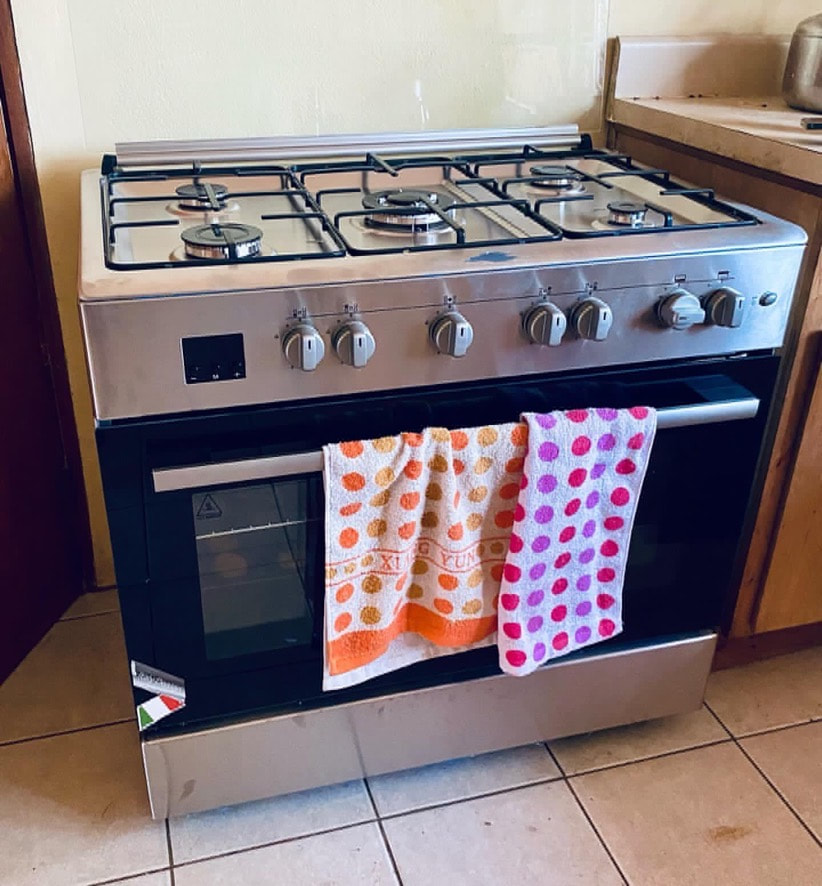 Our brand new oven! What a blessing! In other news, we received a new oven this week and are enjoying all sorts of goodies! Yesterday I made peanut butter cookies to share with friends (sorry, too busy baking for a picture), and today we had fresh rolls. It’s such a blessing to be able to make things in an oven! Now we just need to buy some pans for it! To finish up, our kids have begun swimming in the river here on campus and are loving it. They also continue to play football and volleyball every day with neighborhood kids and take turns riding each other on the bike that a kid brought to share with them. One of these neighborhood kids stole Jireh’s backpack off our back porch earlier this week along with all of the toys he brought with him. I told my kids to start asking around and assured them it would turn up, and sure enough, within the morning a few toys were spotted. I sent a message to the boy that we would be coming the next day to talk to his parents, and Lo and behold! The backpack showed back up! Community living at its finest. There are no secrets! All in all, they are enjoying it here and making friends. The culture can overwhelm them at times, but I encourage them to take breaks and spend time with their siblings instead, and they always head back out, refreshed and ready to play. Praises this week:
We love you all dearly and thank you for being here with us in spirit. We feel your prayers daily. Please reach out when you have time, and be sure to let us know if there’s any way we can pray for you! Much love and many blessings! 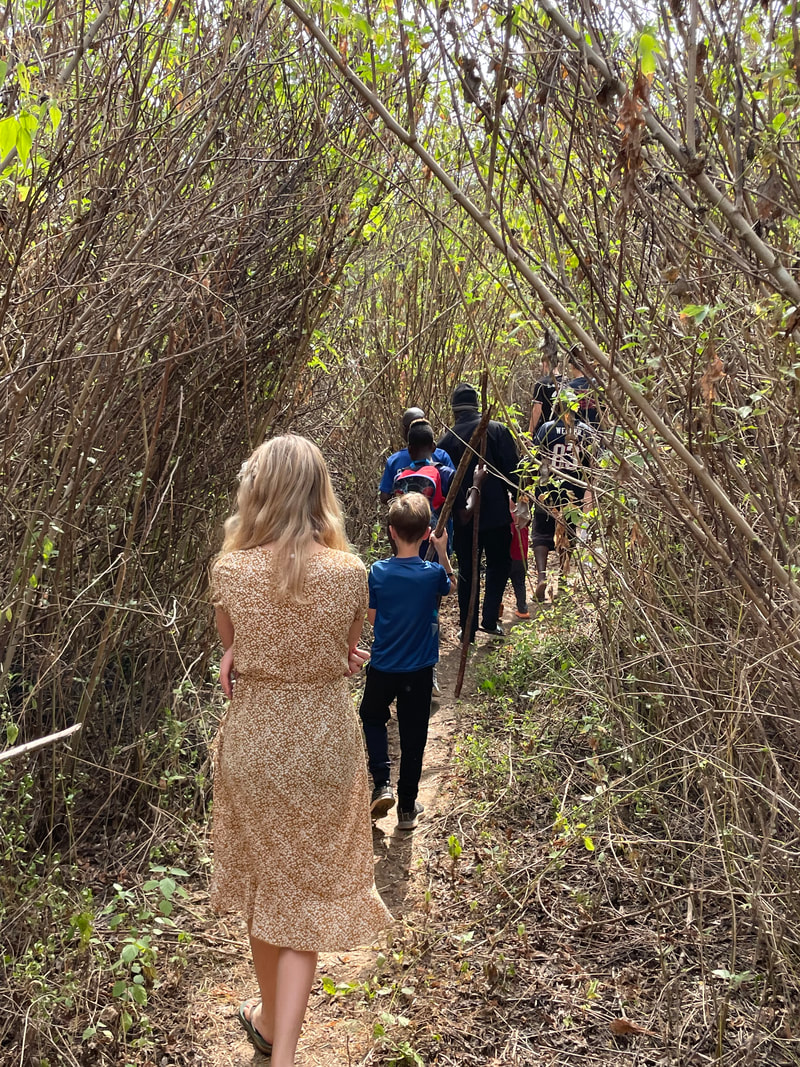 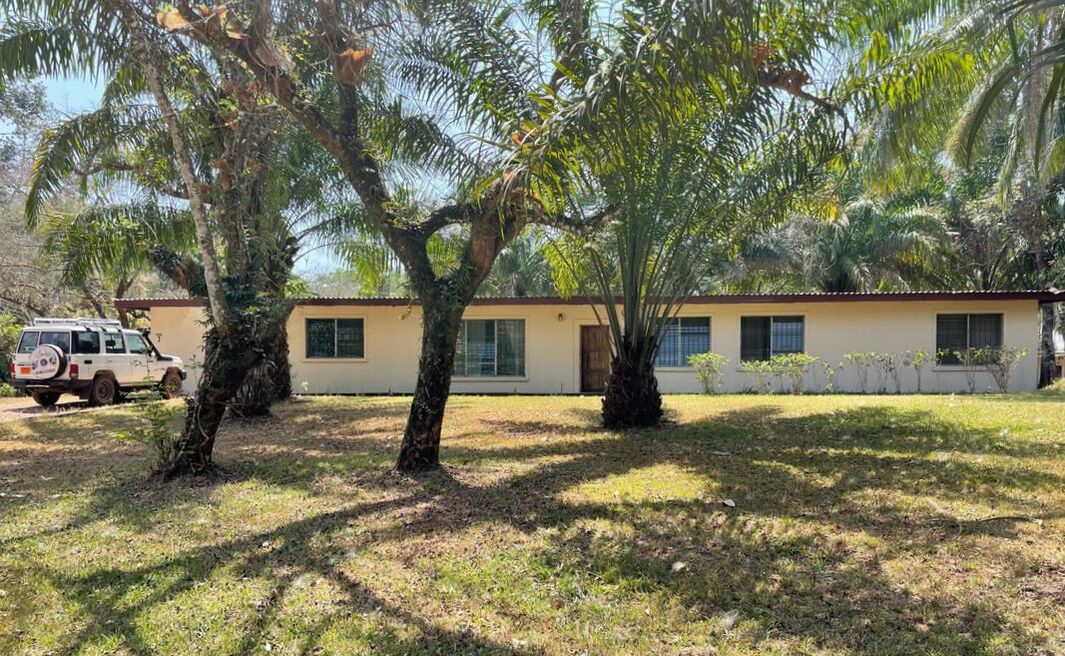 Our house. Looking forward to planting some beautiful flowers around the outside during rainy season! Welcome to our new house! Here are a few pictures so you can see how we're living. We are so grateful to have a house that fits our family easily with room to host visitors as well. This campus was started by American missionaries, so the houses and buildings are very similar to something you might find in the US minus a few of the comforts. Our house is still a bit empty since it's hard to find furniture here in Yekepa. Soon we plan to take a trip to Monrovia (five hours away) and hire a truck to bring things back for us! 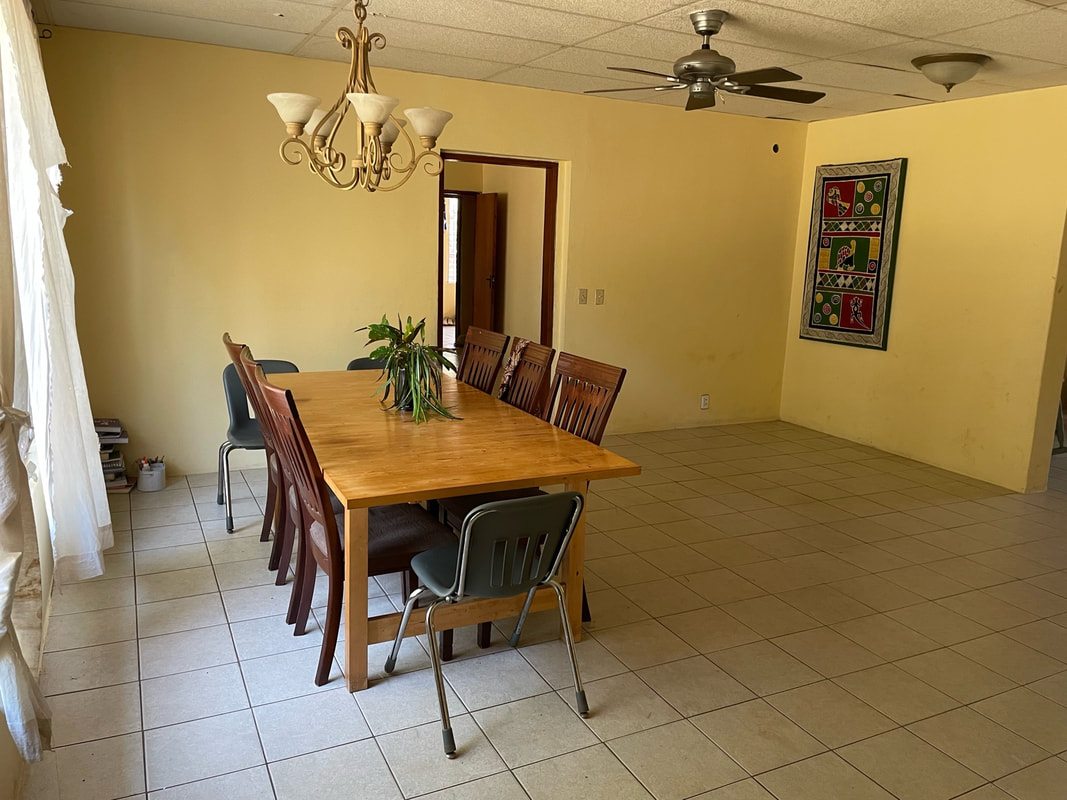 Our dining room/school room, soon to be outfitted with bookshelves! Other than a few things, my life in Liberia is not all that different from my life in the States. I still spend the majority of my days homeschooling my kids and cooking. This is often punctuated by visitors right now as staff and students stop by to greet us. We currently only have two stove top burners to cook with, but we are hoping the school will provide a new oven soon. Luckily I have some experience cooking bread on a burner thanks to our time in Uganda! Our house has two bathrooms with running water, and the electricity is on from 6am-2pm and 6-10pm. This is usually enough to keep our little fridge/freezer cold and charge our phones/computers. We have a router that we use for wifi, and we pay by the GB. Our internet here is a lot better than anything we had in Silt, so if you ever want to FaceTime, it's perfectly clear! 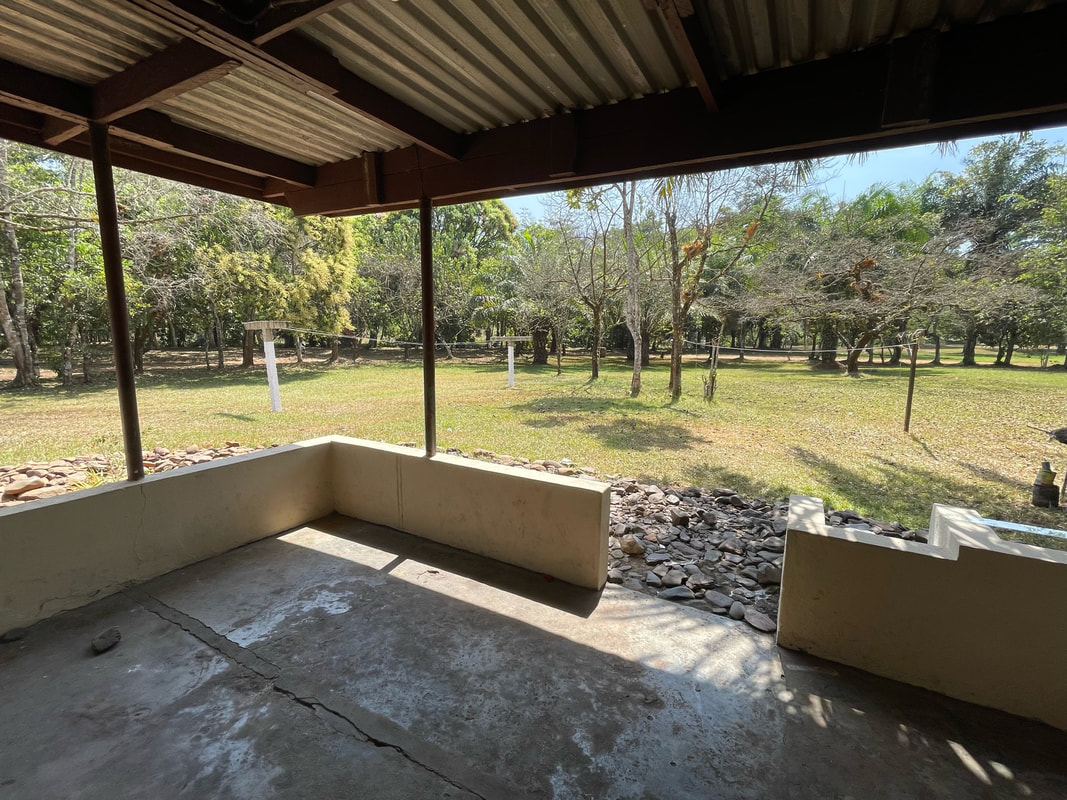 Back porch where kids play, and clothes are washed. The current soccer field is just beyond the clothesline. One difference here is how we do laundry. We don't have a washing machine or dryer, so all of our clothes have to be hand washed and hung outside to dry. Although I've done this before for short times, I'm really bad at it! Thankfully I have been able to hire a lady to help me with this. It just takes too much time to wash clothes for nine people if you want to get anything else done in a day! 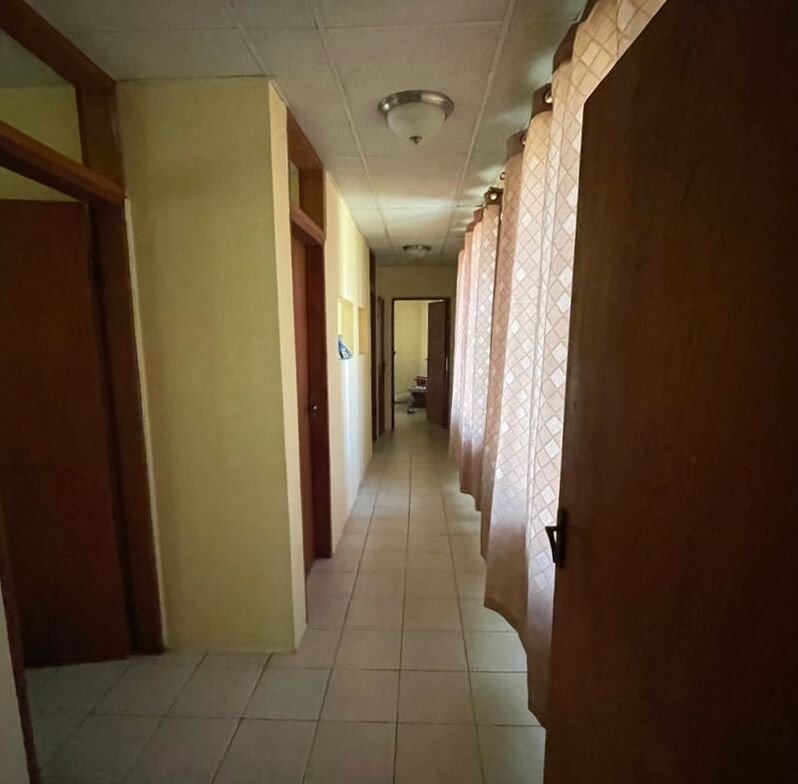 The hallway that leads to three of our bedrooms. Another difference is that our house doesn't have air conditioning or heat (not that you need heat!). Right now it's dry season in Liberia which should last until April or May. During dry season the temperature stays between 92-96 degrees but drops quite a bit at night to the high 60's. The heat was really hard to adjust to at first, but the kids are already getting cold at night now, and I am taking fewer and fewer cold showers before bed. Progress! I'm very thankful for the cool tile throughout our new house which really helps to keep the temperature bearable inside. 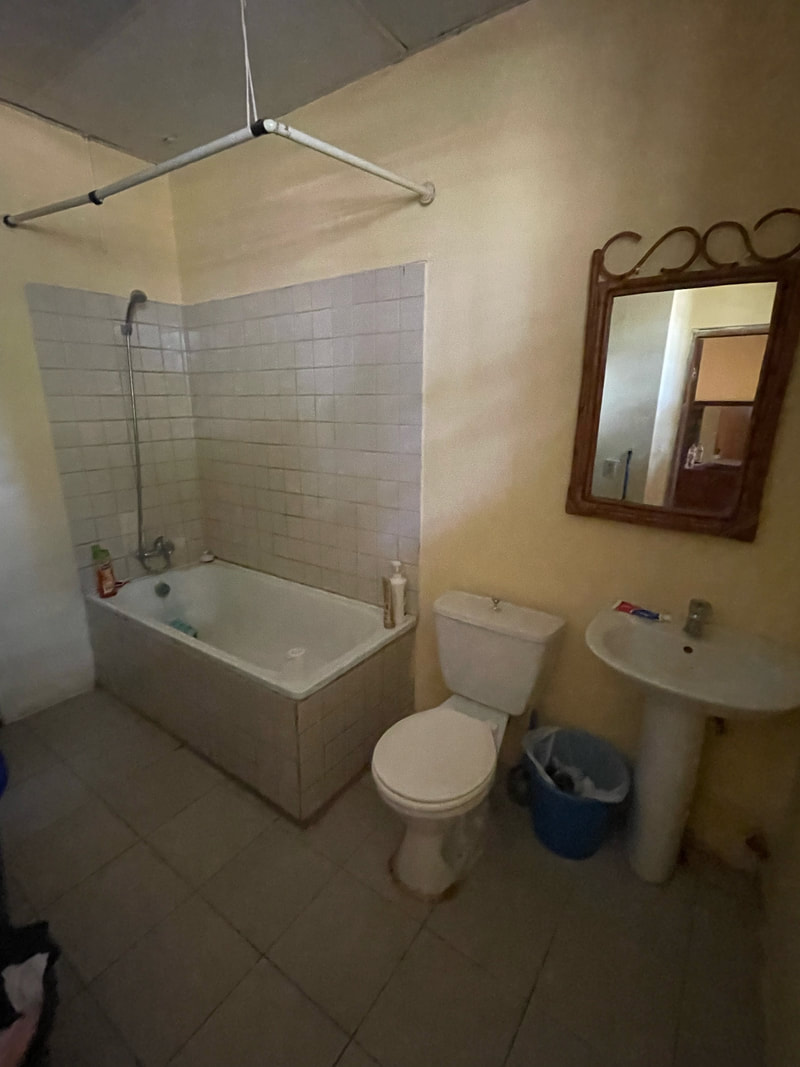 Our bathroom. We will get a shower curtain and rug from Monrovia when we go. Overall we are incredibly grateful for this place and these people! I am finding Liberians to be a boisterous and hilarious group. I am picking up more and more words as the days go by, but I'm still struggling to understand enough to do basic things by myself such as buying vegetables. What a gift that Kenneth understands and can “translate” for me! We have had some fun times shopping in the market together and laughing over my poor Liberian English attempts. Eventually I hope to be able to do the shopping by myself or with a few of the college students who have volunteered to come along and help. 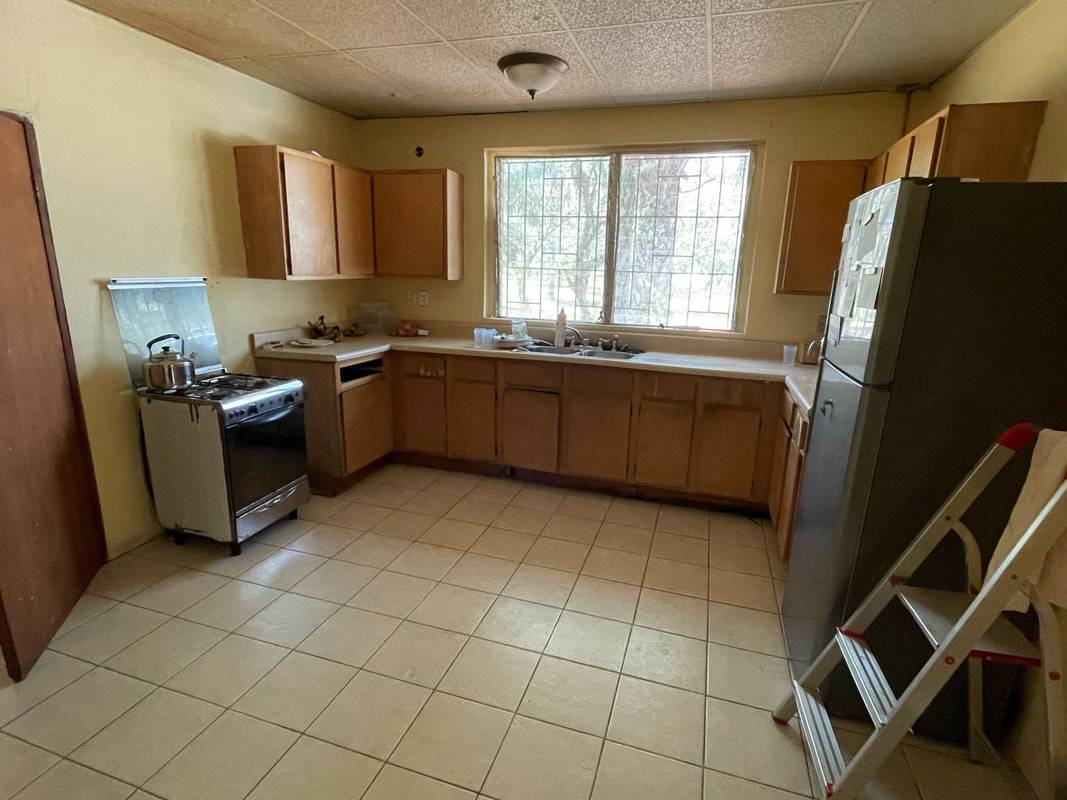 Our kitchen with our little stove and refrigerator. We so appreciate the prayers you have been lifting on our account. Our first day at our new house was a rough one! Despite several conversations and what felt like ample planning time, we showed up to a house with nothing but beds. We spent the afternoon/evening borrowing things from other teachers on campus and were able to come out with enough bedding for our family, a few dishes, some silverware, and a mop and broom. Thankfully I had bought two skillets in Monrovia that served as all of our cookware for a day or so! We have been to the market several times since and are now fully functional (although in a limited capacity until we can go to Monrovia and our shipment comes in!) and have even had company for dinner. I'm so thankful that the Lord provides what we need and especially gives us the perseverance when we just want to quit. 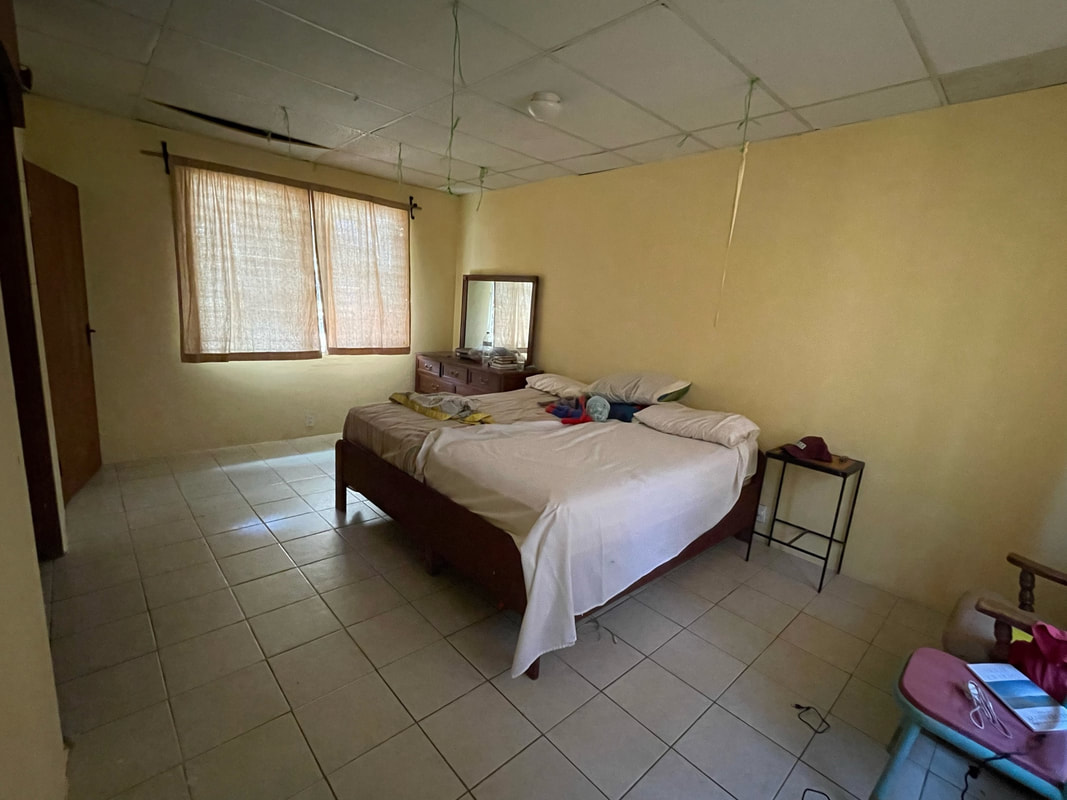 Our bedroom. We are the only ones with a dresser, so rooms are a bit of a mess right now. We also appreciate those of you who have been financially supporting us or just started financially supporting us! We were completely shocked at our most recent giving report and just want to say again how grateful we are for your support! This week some of that support has gone to buy us a whole slew of kitchen/household items that we never planned to purchase. What a blessing that God knows our needs before we do and provides in advance! Praises:
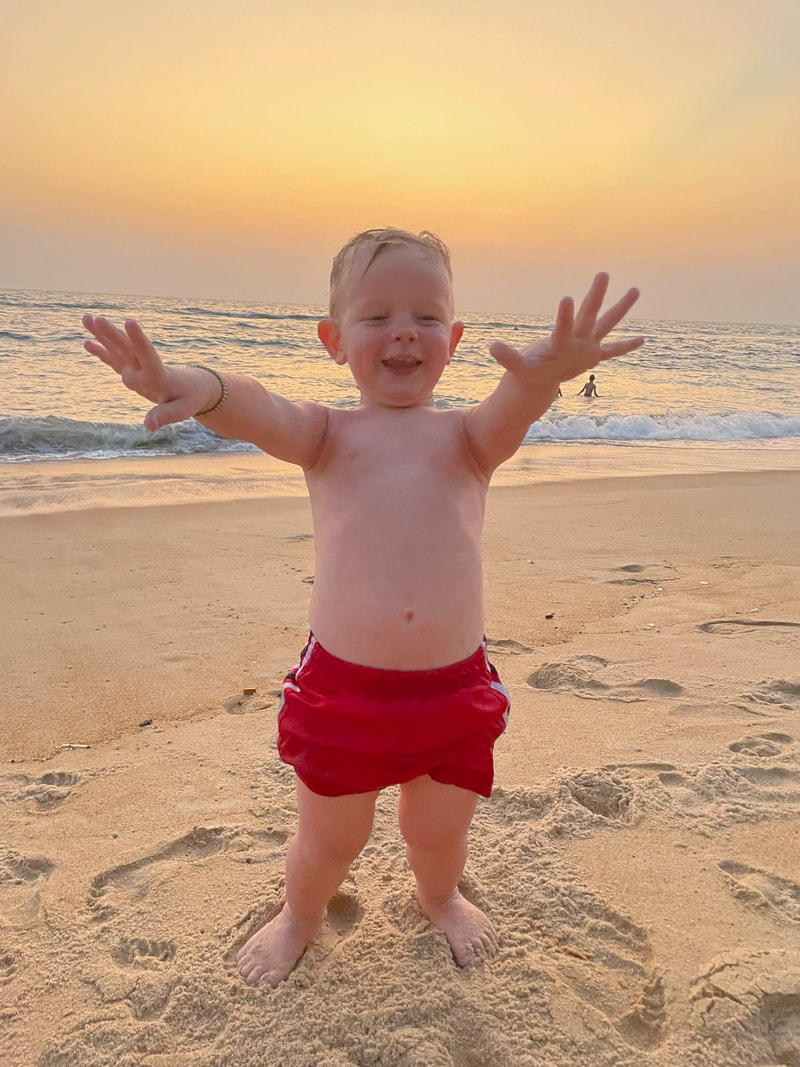
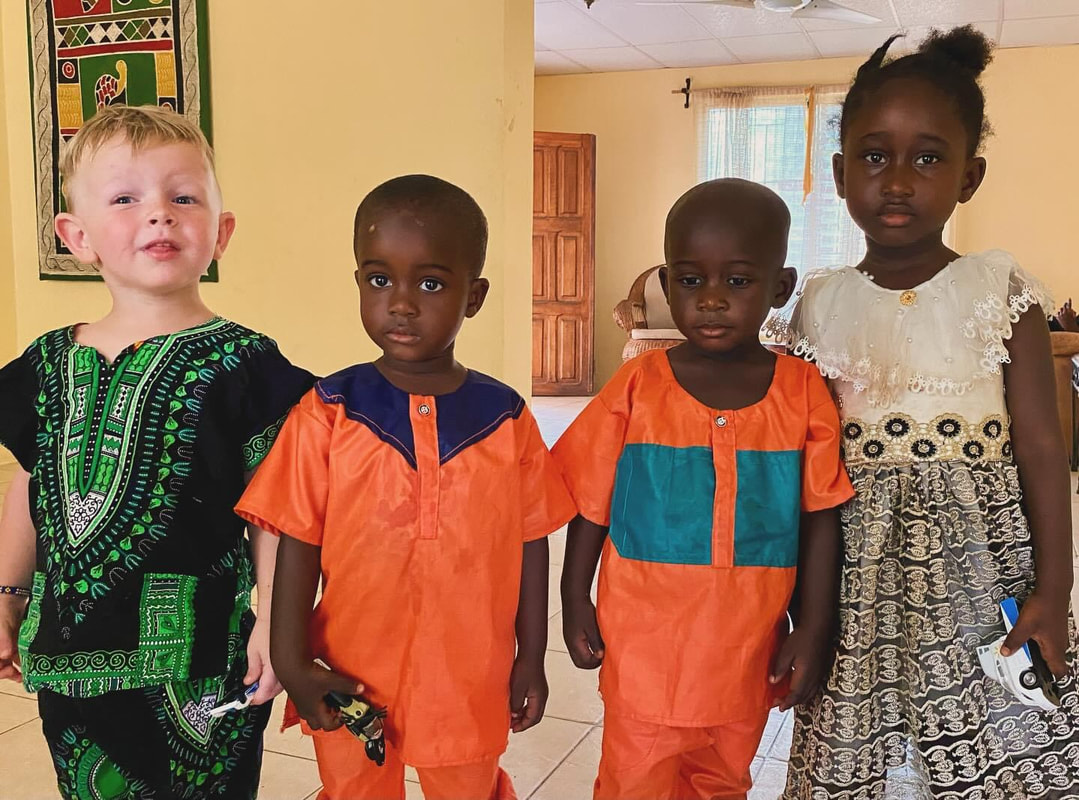 Jireh with his friends, twins Daniel and Nataniel (2 yrs) and Prayer (4 yrs)
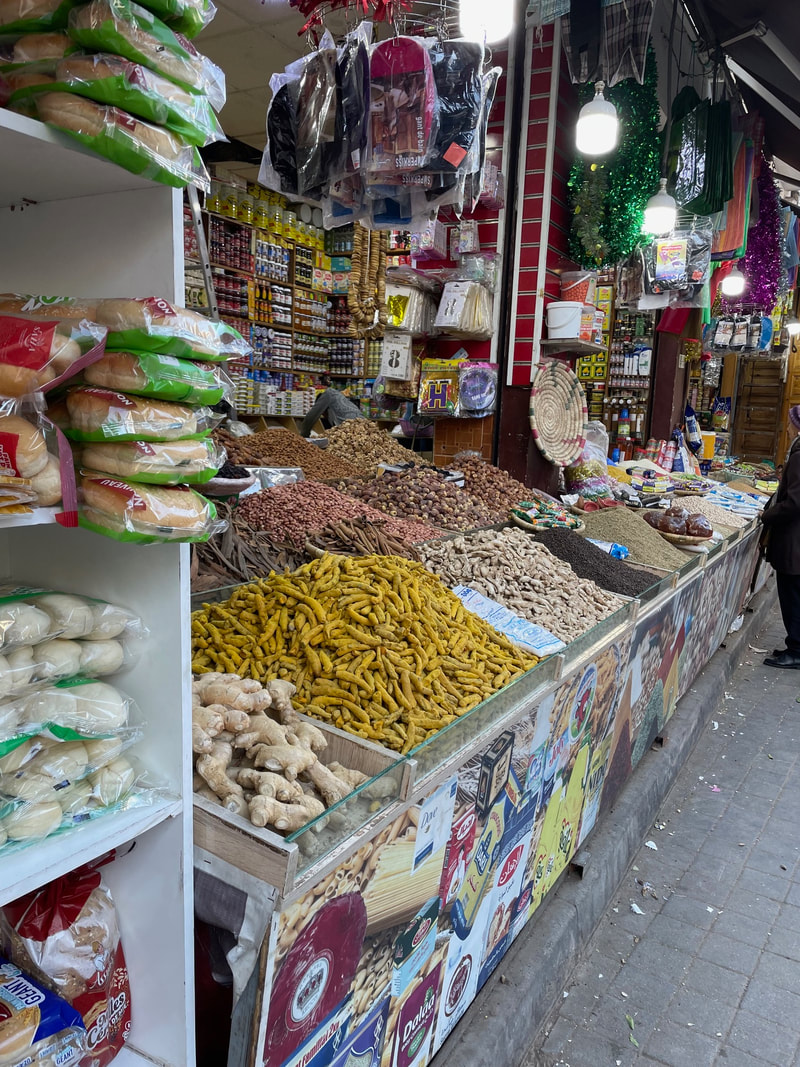
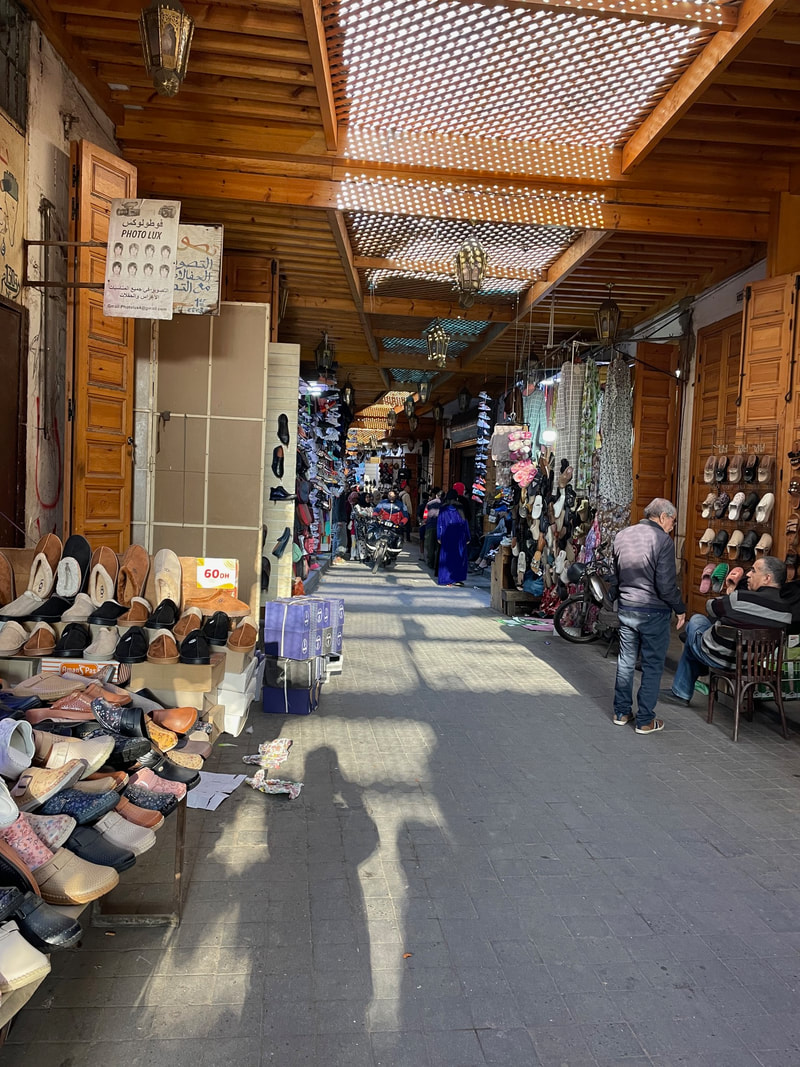
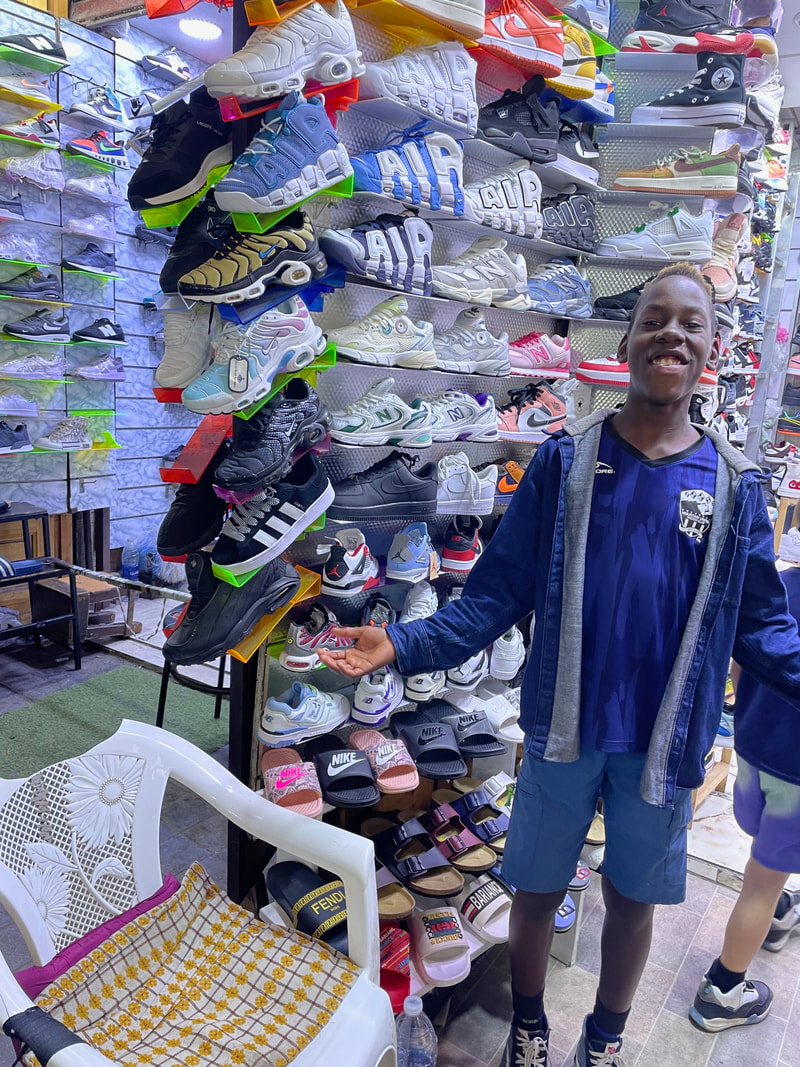
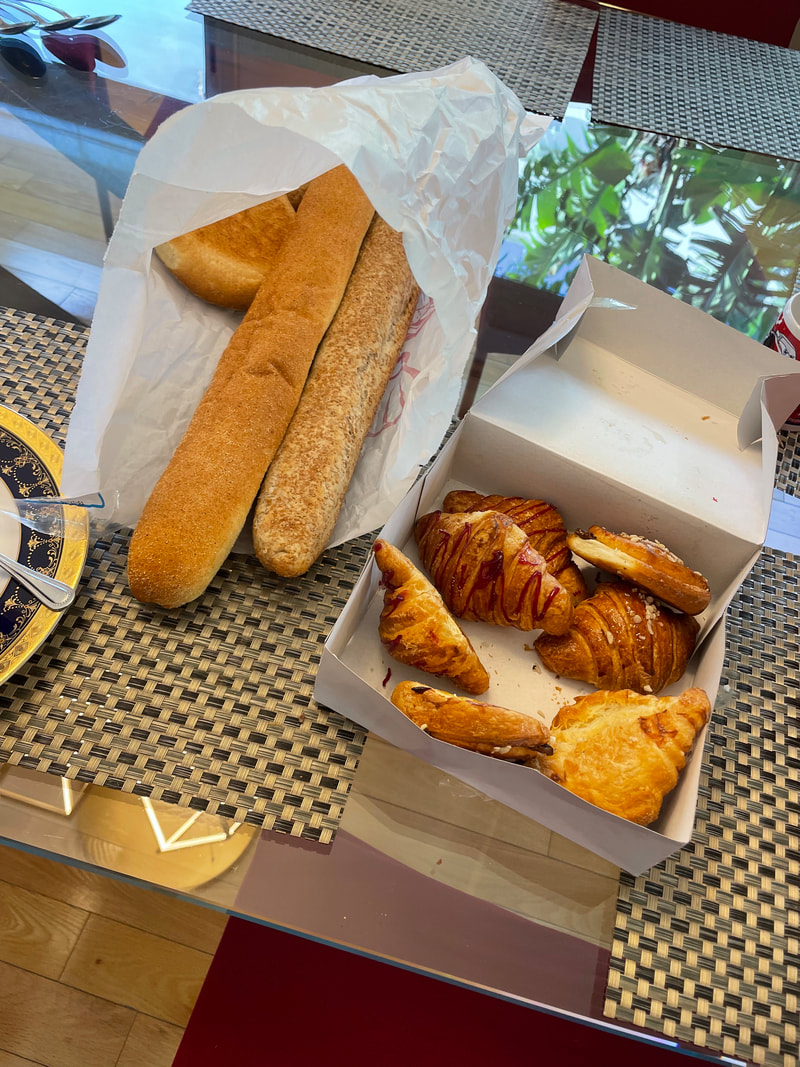
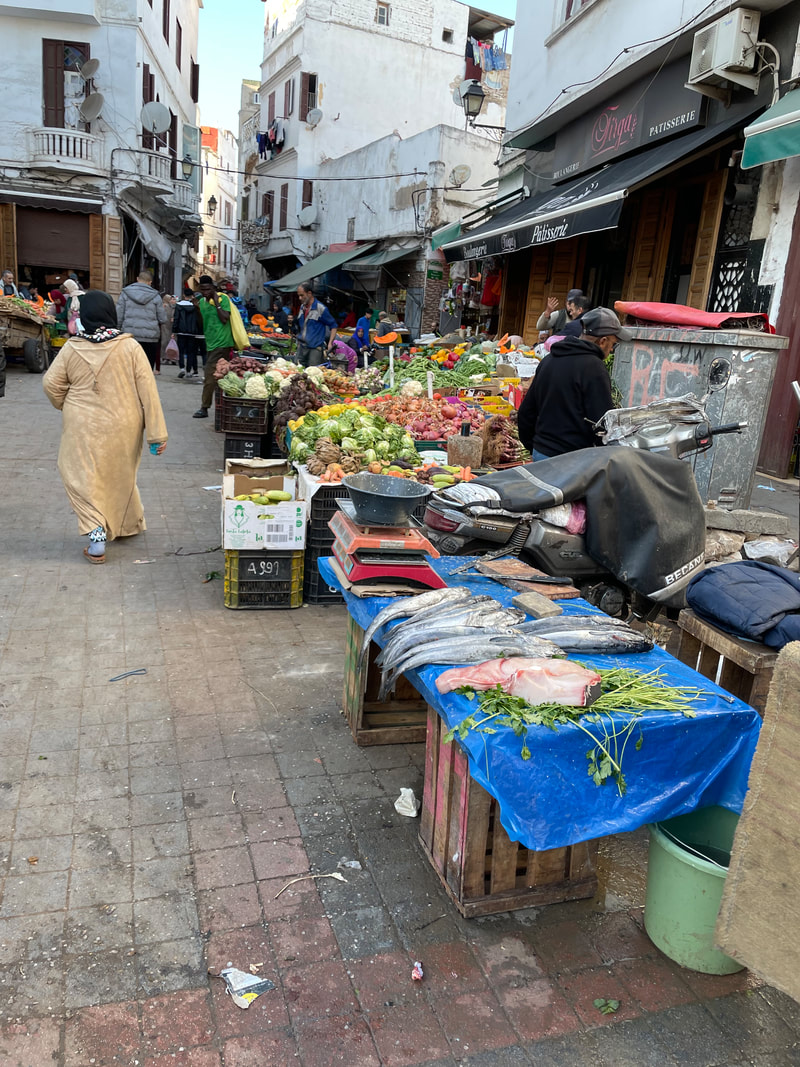
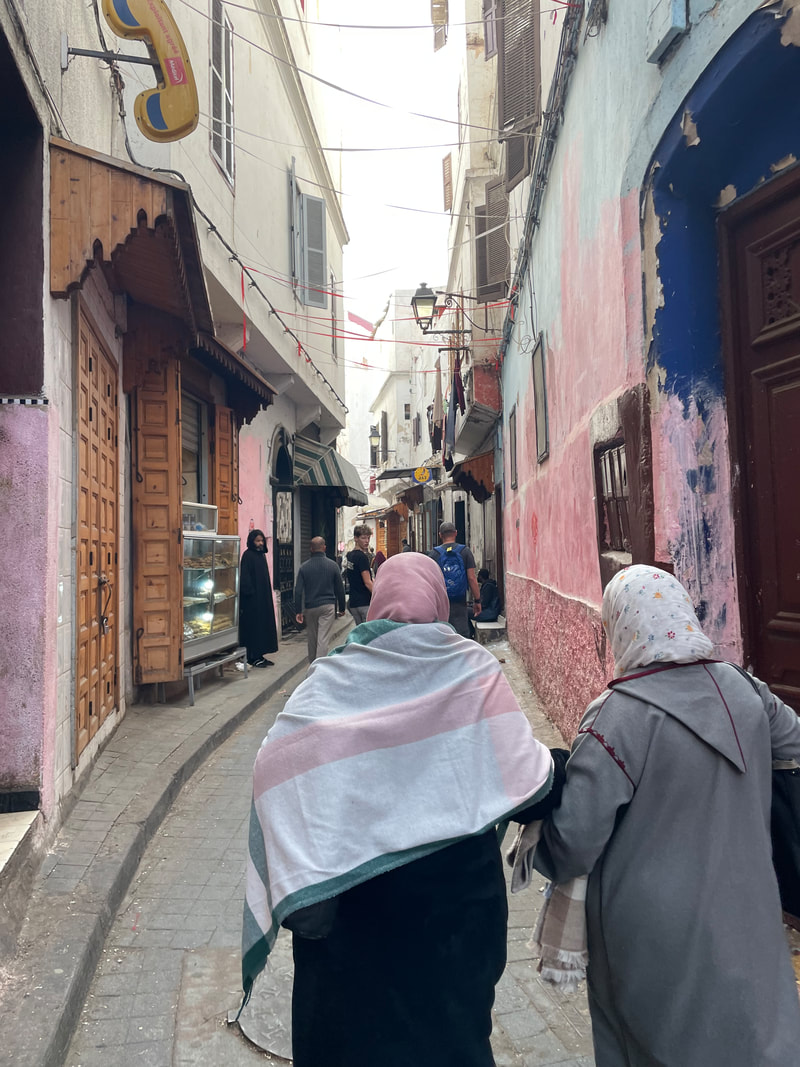
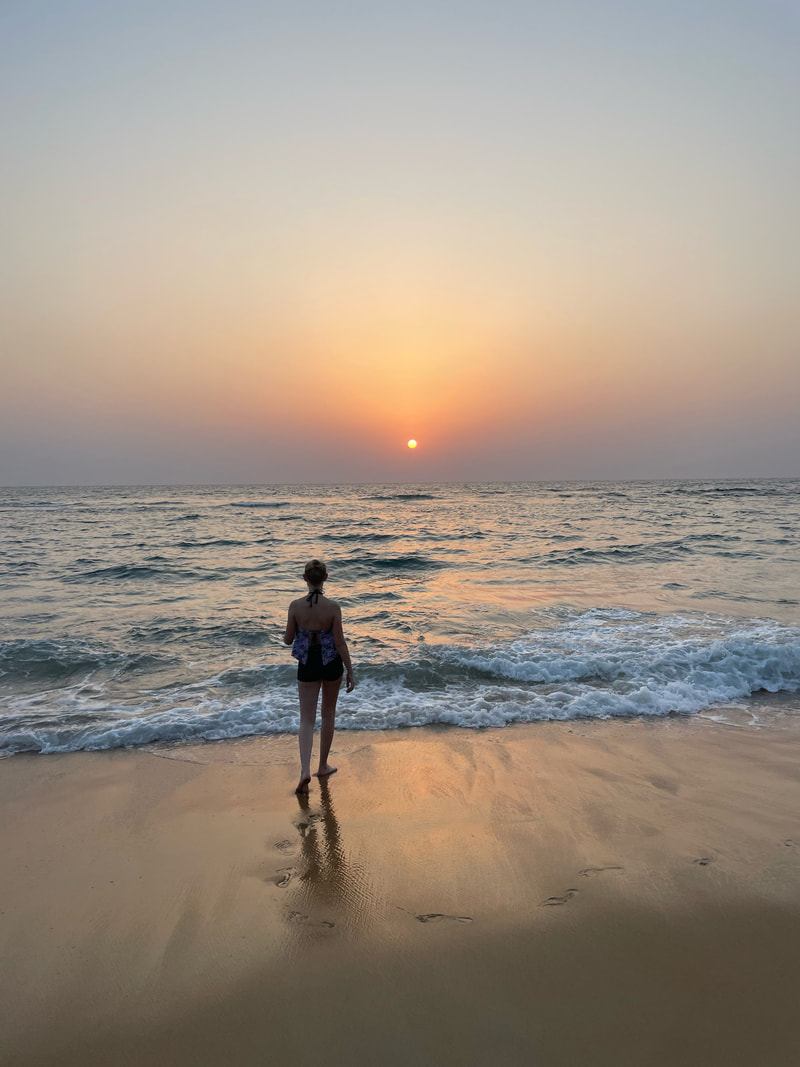
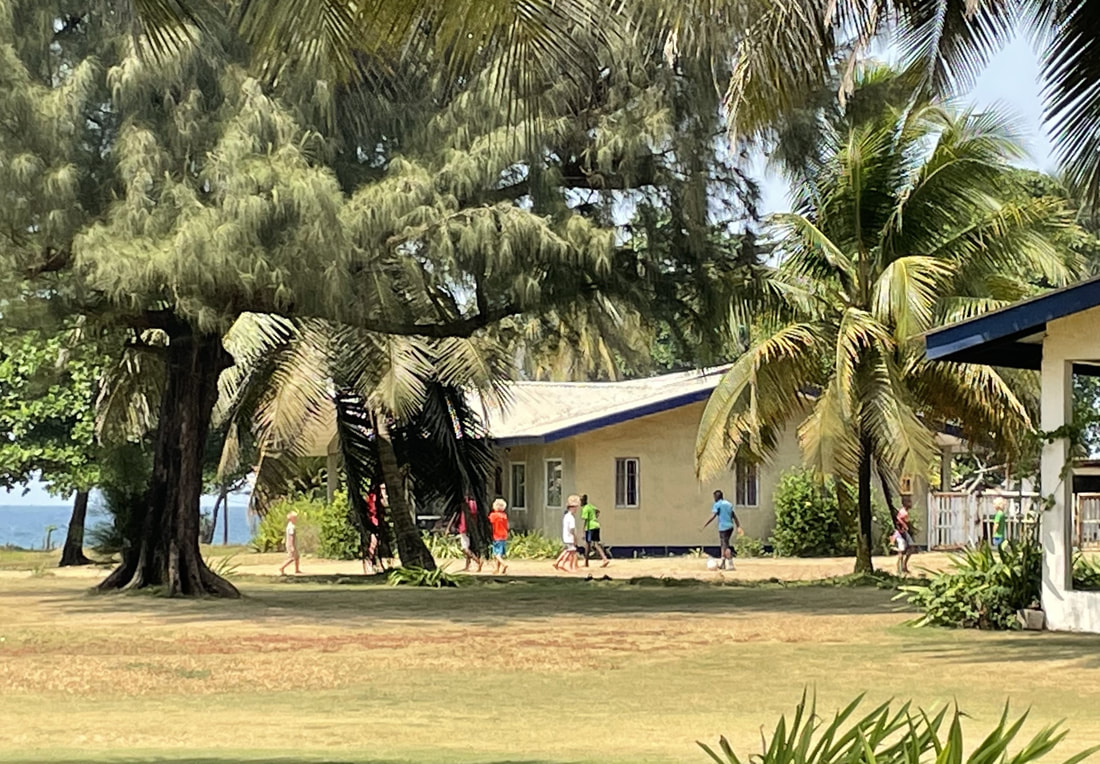
 Well, I've been trying to get on my blog for a day or so now. Nothing comes easily when internet is in and out, so bear with me. In my last blog post I had asked for prayer specifically for a vehicle. This might seem like a simple thing to find, but life looks a bit different here. Car shopping in the States looks like used car lots, newspaper ads or even asking around for something reliable. It's a whole other thing when those car lots and newspapers don't exist, and you don't have enough contacts to even begin looking. When that is the case for every single item we need life can feel a bit overwhelming. We, as Americans, don't realize how much we depend on our relationships or even google to find the things we need, and when we don't have that we are left wholly dependent on God's mercy. This place of dependence is a good place to be, but it definitely feels like a vulnerable one. And so we reached out to our community and asked for you to lift us up. I know you have been because this answer came quickly! Coming into Monrovia the first day we knew we needed some help, and so we again began to pray. Not just for a vehicle, but for someone who would be a person of peace for us in the car world. This “person of peace” is from the story in Luke 10 where Jesus sends out the 70, two by two, into the towns ahead of him. He tells them to take nothing with them but to look for a house where a son of peace lives and to remain there with him. Praying for a person of peace has always been our way of starting out in a new community, and it has proven to be an effective one! God has brought these helpers into our lives in every place we've lived, and although not always believers, they have been the ones to introduce us to life in new places, often inviting us into their homes and families. Monday, after shopping for groceries, we left the store to find a land cruiser parked right beside us with a FOR SALE sign in the window. It was the exact car we'd been looking for, and so Kenneth went back inside to find the owner. After walking the aisles asking everyone if they owned a white land cruiser, he finally found him. He was as surprised as we were to find someone interested in his car since he had just decided that morning to sell it. It was definitely not a chance meeting, and as Kenneth continued to talk to him he discovered that he also owns a 4x4 mechanic shop! When you live in a country that is hard on cars, this is the equivalent of discovering gold! Not only was he selling the car we were looking for at a good price, he offered a guarantee to fix the car if any problems should come up. Kenneth took his number, and we left, thanking God for his provision. Everything has gone smoothly with the purchase ( thank you to everyone who gave towards this need! We have been given just enough money!!), and we pick up our new-to-us 2013 land cruiser in the morning. We couldn't be more excited to have a vehicle AND to soon be heading to our new home! God is so good to us! We continue to be amazed by the prayers that are answered when we not only take the time to ask but invite our community to join us in praying. It's a powerful thing to come to the Lord together in prayer. In other news, we have had an incredible trip so far! We had great flights to Morocco and spent four full days touring and getting lost in the markets of Casablanca. We sampled street food, listened to the calls to prayer multiple times a day, walked the winding alleyways while shopping for fresh croissants and dates, and bought pairs of knock-off dunks from street stalls full of shoes. Our kids practiced their bartering skills and often disappeared for stretches of time while they haggled with shopkeepers over a few dollars. Moroccan tea has now become a family favorite, and one pot is often not enough with Jireh asking for seconds and thirds. Morocco was a great introduction to Africa for the kids who haven't experienced it, and we all want to return someday. Our time in Liberia has been productive and restful so far other than a few lost suitcases. The guesthouse we are staying at (run by African Bible Colleges) is right on the beach, and I'm writing this on the front porch while listening to the sound of waves in the distance. It's the most beautiful view I could ask for, even if the temperature is 90 with 100% humidity! The kids are swimming like fish after days in the water, and they routinely spend hours figuring out how to knock coconuts out of trees and open them. They have begun joining the little school on our compound for pick-up soccer during their lunch break and already know several kids here by name. Although we are enjoying our time here, we are looking forward to getting settled in our new home in Yekepa as soon as it is ready, hopefully by the end of this week.
Praises: -We found a vehicle that is everything we needed and asked for! -Kids are adjusting well other than a few sad moments now and then -Rikot landed safely in Uganda today!! -Our lost luggage was recovered today minus the few items that were stolen. Sorry, Izzy :( Prayer Requests: -Kenneth starts teaching two classes Monday. -Our house is not quite ready, but WE are ready to get there and get settled! -Kenneth's back is still bothering him off and on. Pray that it heals completely! We love you all and are so thankful to have you following our journey. If you'd like to see more of our day to day life follow us on Instagram or Facebook. Thank you for praying and supporting us! Kristi IG: @karamojagirl Kenneth IG: @kennethlovescoffee "I can't believe we are leaving in two days!" Jubal told us yesterday. "I'm excited, but I'm also a little bit freaked out," he told us seriously, and we all laughed at his apt description of all of our feelings. It's funny how kids can hit the nail on the head without realizing it. It's coming down to the wire, the point where I can no longer sleep in the mornings. I wake up at night with things running through my head that I forgot to buy or pack. Everything is mostly done, I think, but as I look around my house, I can still make lists of the unfinished items. At least the list is shorter than a page now. Progress. Vaeh left for school on Friday, and the house feels emptier without her. She sent me a picture of her dorm room, cozy with strings of lights and Bob Marley playing in the background. She's doing a good job making a home away from us, much cleaner than she keeps her room here (ahem), and although I don't know how I'll make it without seeing her every few months, it's not because she needs me there, but simply because our family feels incomplete without her with us. Ezra and Rikot both leave after we fly out, and somehow that makes me feel like we are the ones leaving them, even though Ezra goes back to a school and soccer team and new roommate this semester, and Rikot goes back, truly back, to her first home and family. They all have beautiful, exciting things ahead of them that we aren't a part of going forward. Our family, as we've known it, might never be here again, in this space, together. And that makes me feel a little freaked out. 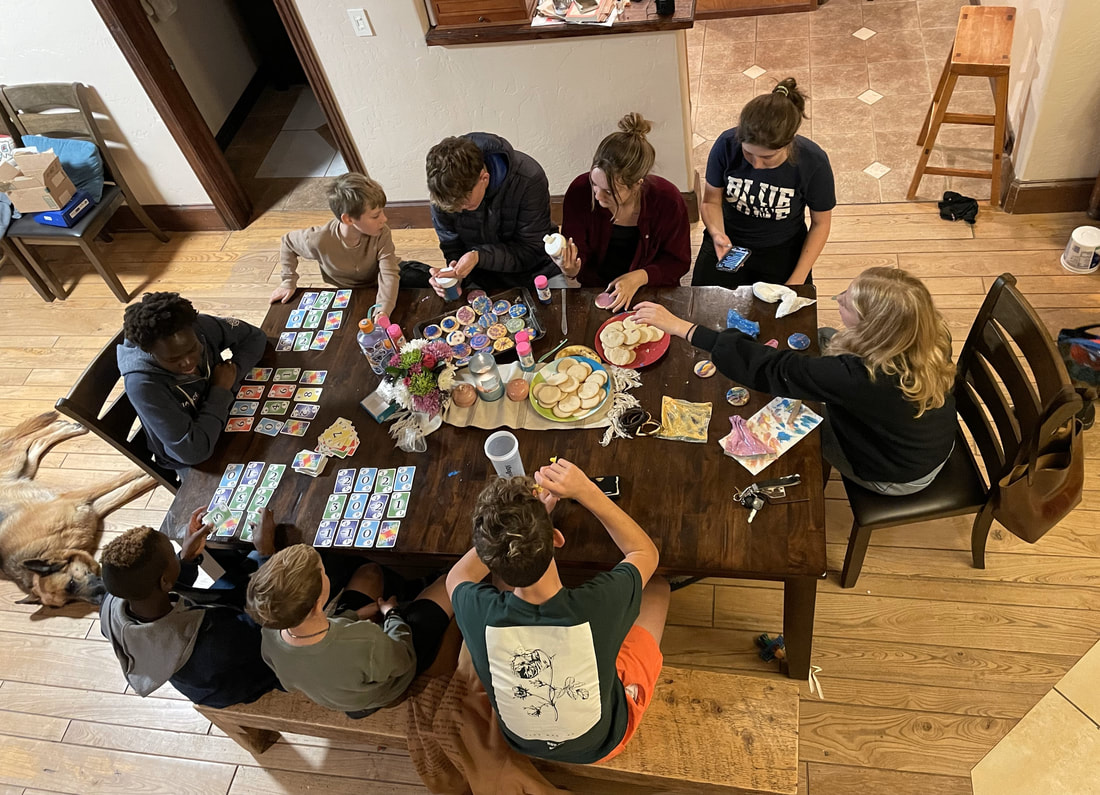 Kenneth and I have reflected out loud about the year, and honestly, it’s been a crazy one. I know that God has called us to Liberia, my head knows it, but the reflecting has really helped my heart. I’m starting to see how his plan has been unfolding throughout these past two years, and it's like watching The Sixth Sense while knowing the ending. It all falls into place. Sometimes I forget that He orchestrates everything, every little or big thing, whether we understand it or even notice it. It’s part of His plan. And He really is a master storyteller. All this to say, we may be a little freaked out, and we may be struggling through the changes, but God has us in his hands. He has definitely shown us that in big ways, and I know he will continue to do that for us as we start this new phase of our lives. A BIG way He has shown up is in our finances! We are at about 70% of our monthly support, which in my mind is practically 100%. He has always cared for us abundantly, over and above all we need, especially when we are overseas! One of the things our monthly support goes to is saving for trips back to visit our older kids. I couldn't imagine moving away from them without the ability to go back if they need us, and so, we built it into our budget. Our startup fund is growing as well. I don't think we are all the way funded, but close! We are hopeful that we will be able to buy a vehicle that will fit our whole family (our biggest and most expensive need) when we get there. A few praises to share:
A few prayer needs for the week as we head out:
We will update from Morocco! Thank you all for praying and for being such an amazing community to us. We are incredibly blessed to have you in our lives! "Now to him who is able to do far more abundantly than all that we ask or think, according to the power at work within us, to him be glory in the church and in Christ Jesus throughout all generations, forever and ever. Amen." Ephesians 3:20-21 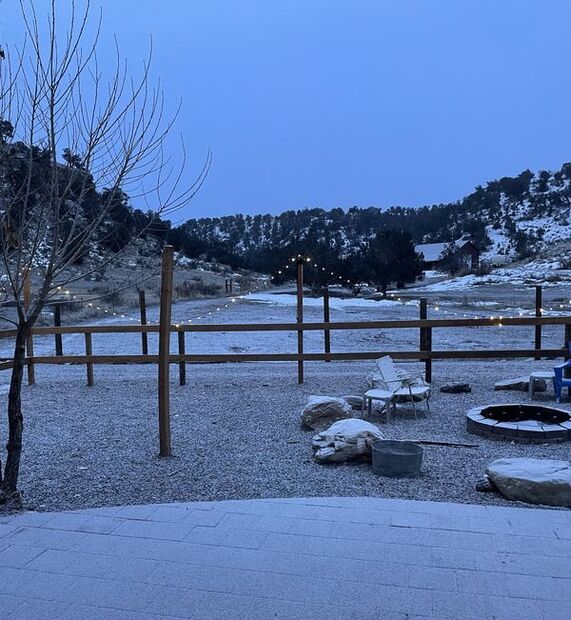 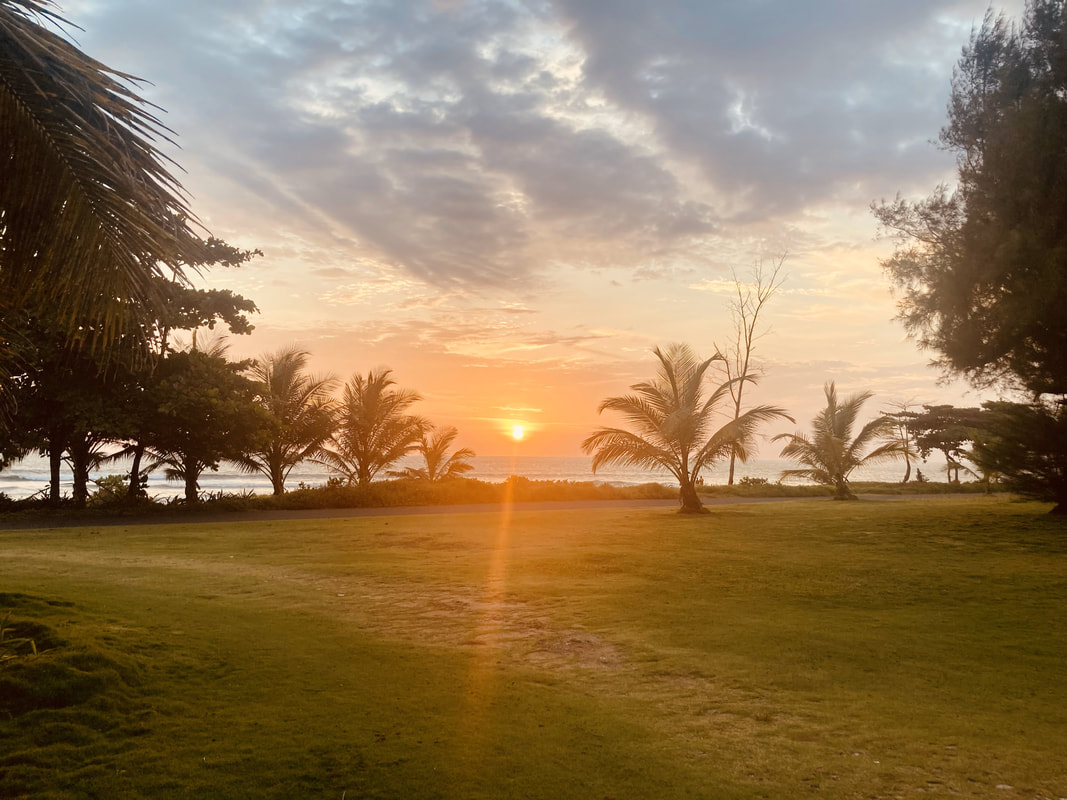 It's hard to believe this is the view we will be seeing in just six short weeks. These last few months have been busy and full as we have traveled from church to church and home to home, sharing stories, memories, and good food with old friends and new. It's been a sweet time of fellowship. We have been blessed beyond measure by the generosity of families, churches, and individuals who have hosted us in their homes, fed us, and gone above and beyond to love on us. What a blessing community is. This is not the first time we've done this, and I'm sure it won't be the last, but it is one of the most bittersweet things in the life of a missionary. One of the things we value most is our relationships with people, and we are honored to know some good ones! The downside of that is the inevitable goodbyes as we head overseas. In the past this has only been Kenneth and my sadness, our bittersweet thing, but this time we have the added emotions of watching our kids say goodbye to their friends, siblings, and the only home most of them remember. It's just plain tough. Despite the goodbyes, despite the tough and the bittersweet, I can't wait. I know that sounds strange. If you talked to me two years ago or even one, maybe even six months ago, that might not have been the feeling I was giving off. This decision has not been an easy one for me, and I struggled for a long time with my feelings, willing them to get in line with what I knew God wanted us to do. Sometimes my feelings have this way of doing their own thing, wanting to run off track or lead the way when they don't really have a clue where we're even supposed to be going. Feelings are unreliable when you're looking for truth. And the truth is, this hard and bittersweet is what we're called to right now. It's part of the path that leads to God's plan for us. Because I know that, I'm not trusting my feelings but only what I know to be true. This is a great adventure, and one we are blessed to be a part of. 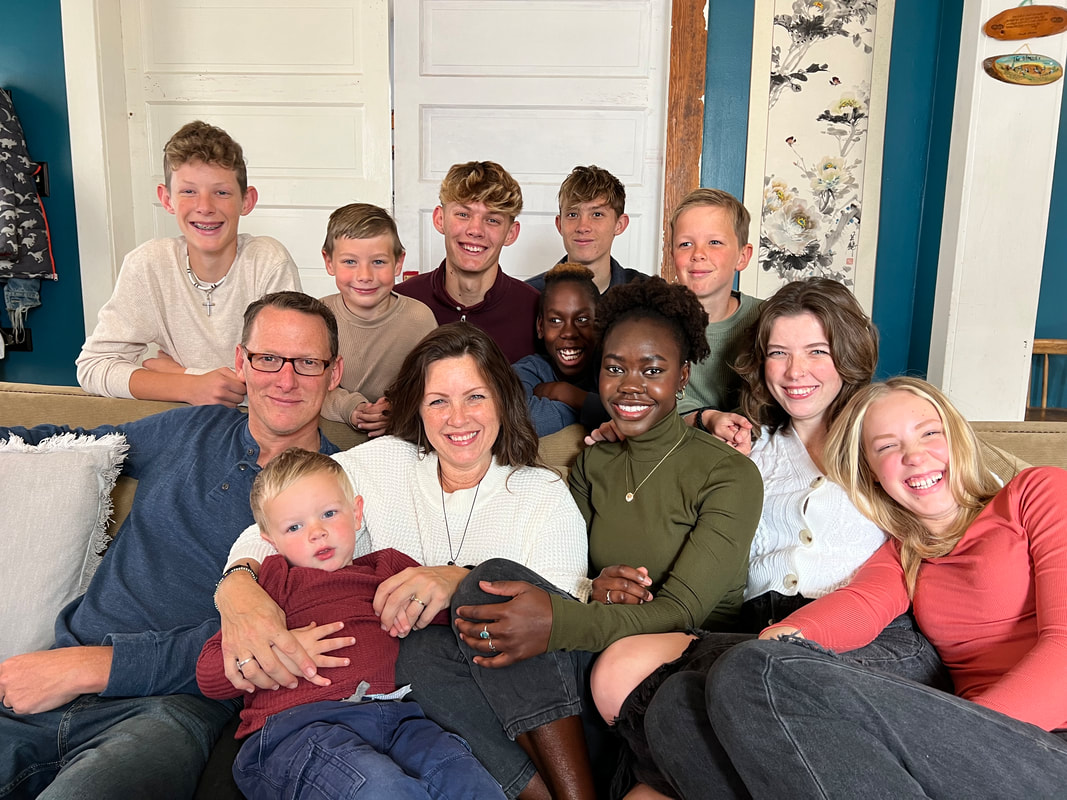 I know it's been a while. We are still alive and thriving here in Silt, CO. We have spent the last 8 years building a new life, a completely different life, from the village we had come to know as home. It's been good, sometimes hard, complicated and messy, but good. That being said, it probably comes as no surprise that it's about time for something new! Watch the video below for our news! |
Would you consider partnering with us financially to serve Liberia?Kenneth and Kristi Williams The Williams Family
 Kenneth and Kristi
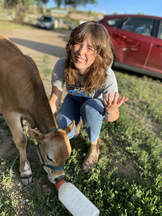
Nevaeh, 20 years old
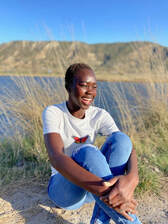 Rikot, 20 years old
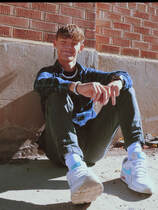
Ezra, 19 years old
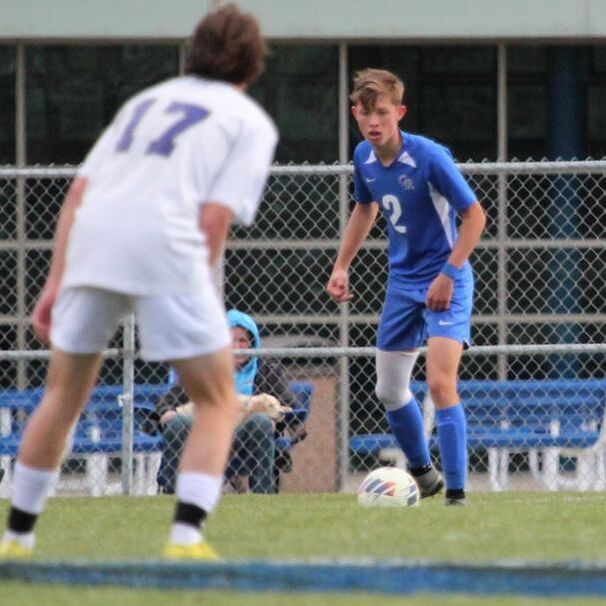
Zion, 18 years old
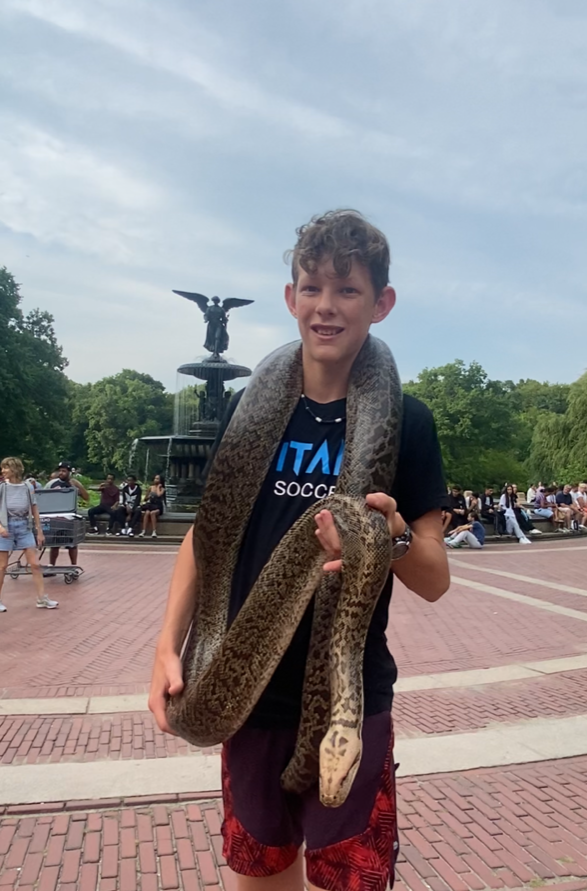
Izzy, 16 years old
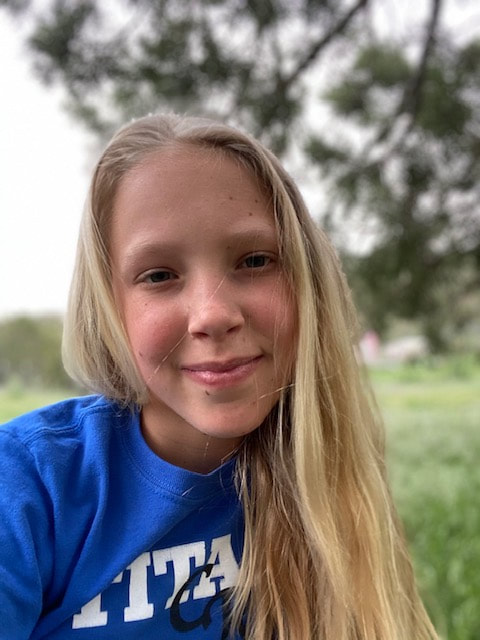
Selah, 13 years old
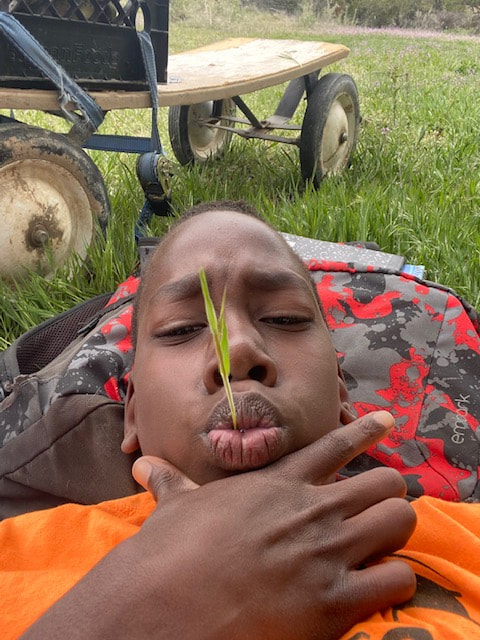
Acuka, 13 years old
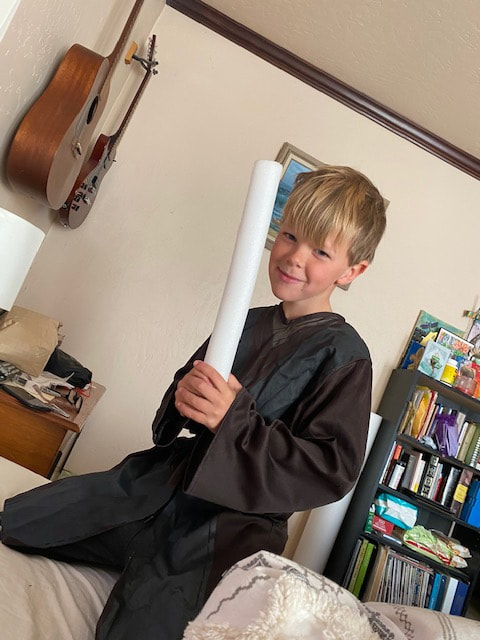
Benaiah, 9 years old
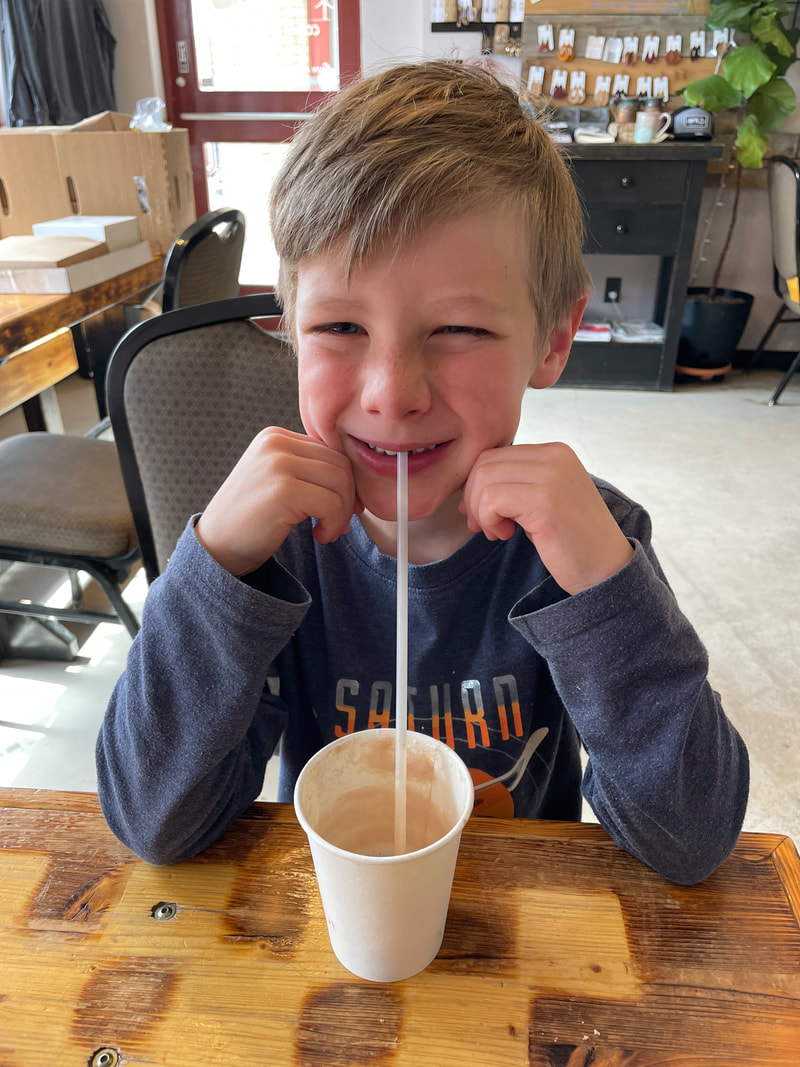
Jubal, 6 years old
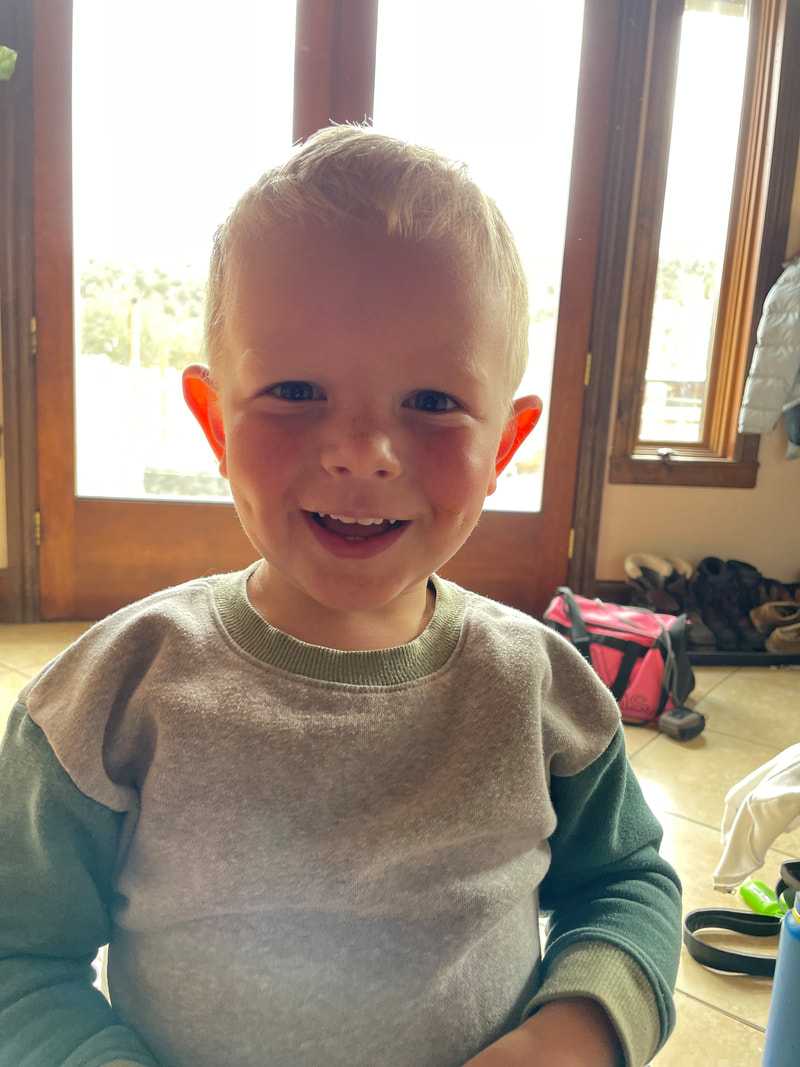
Jireh, 3 years old
Blog archives
April 2024
Categories |